
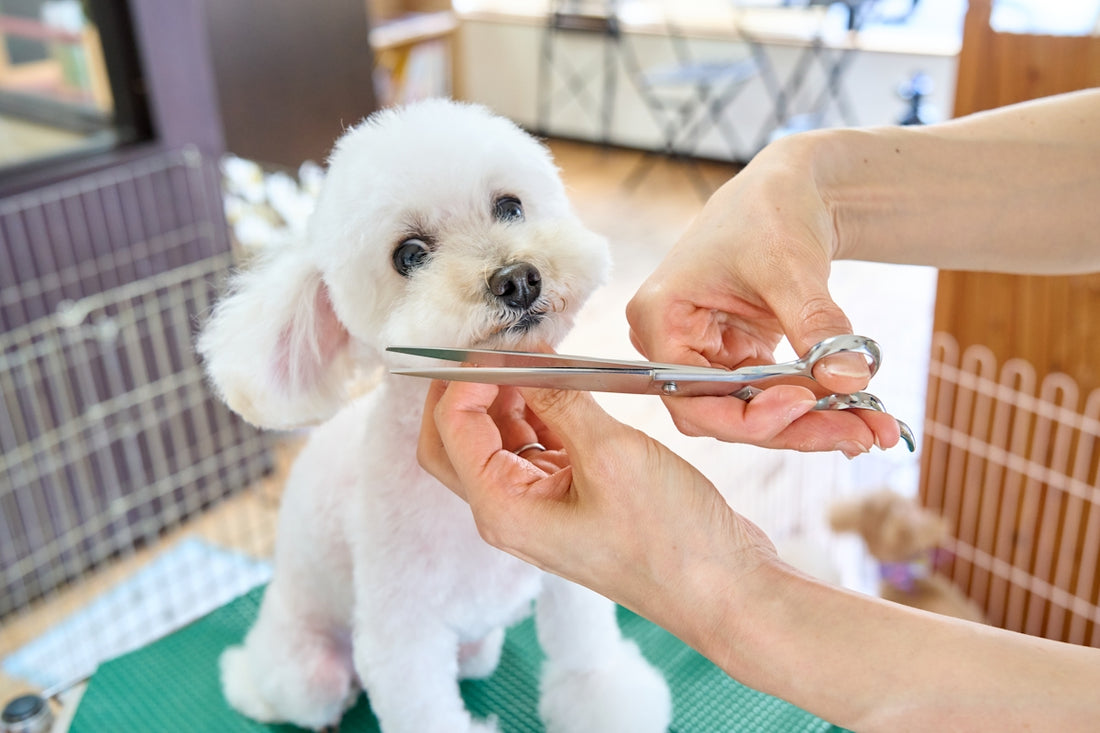
Grooming a pet can be a daunting task, especially if your furry friend suffers from anxiety. Pets with anxiety may become agitated or scared during grooming sessions, making it a stressful experience for both pet and owner. This is a significant issue because regular grooming is essential for maintaining a pet’s health by preventing matting, skin issues, and more. Fortunately, there are tools and techniques specifically designed to offer pet anxiety relief and ensure calm grooming sessions. In this post, we'll explore effective strategies, focusing on low noise dog clippers and quiet dog grooming to help make this essential task easier for you and your pet.
Table of Contents
- Table of Contents
- Quick Answer
- Understanding Pet Anxiety in Grooming
- What Causes Grooming Anxiety?
- Why Noise Matters
- Effective Low Noise Tools
- Quiet Dog Grooming with Low Noise Dog Clippers
- Comparisons: Traditional vs. Low-Noise Clippers
- Step-by-Step Guide to Calm Grooming
- Professional Tips for Pet Grooming Anxiety Relief
- 5 Common Mistakes in Grooming Anxious Pets
- FAQs: People Also Ask
- Conclusion
- FAQs
Quick Answer
For anxious pets, opt for quiet, low-noise grooming tools and calming techniques. These approaches significantly reduce stress, promoting a comfortable and positive grooming experience.
Understanding Pet Anxiety in Grooming
What Causes Grooming Anxiety?
- Noise Sensitivity: Many pets are hyper-sensitive to loud noises. This sensitivity can trigger anxiety during grooming sessions with conventional clippers.
- Previous Negative Experiences: Traumatic grooming sessions in the past can cause lasting anxiety.
- Sensitivity to Touch: Some pets do not enjoy being handled extensively, which is required in grooming.
Why Noise Matters
Noise is often an underestimated contributor to grooming-related pet anxiety. Imagine the distress and apprehension faced by a pet subjected to the loud buzz of clippers. By minimizing noise, we reduce one of the primary irritants.
Effective Low Noise Tools
Quiet Dog Grooming with Low Noise Dog Clippers
PetMartopia's Pet Hair Clipper – Quiet Low-Noise Dog & Cat Grooming Trimmer is designed to operate quietly, reducing stress for both dogs and cats. Its low decibel operation makes it a favorite among pet professionals.
Read more about low-noise options in our blog: Low Noise Clippers: Quiet Grooming Essentials for Anxious Dogs.
Comparisons: Traditional vs. Low-Noise Clippers
| Feature | Traditional Clippers | Low-Noise Dog Clippers |
|---|---|---|
| Noise Level | High | Low |
| Pet Stress | High | Low |
| Grooming Efficiency | Varies | High |
| Ideal for Anxious Pets | No | Yes |
| Grooming Experience | Stressful for Some Pets | Calmer Environment |
Step-by-Step Guide to Calm Grooming
- Prepare the Environment: Ensure a quiet and calm space. Consider soft background music.
- Introduce Tools Gradually: Let your pet sniff and explore the grooming tools before starting.
- Use Low-Noise Clippers: Engage tools like PetMartopia’s quiet clippers.
- Take Breaks: Keep sessions short to prevent overwhelming your pet.
- Finish with a Treat or Relaxation Tool: Use items like the Soft Fleece Pet Blanket as a comfort reward post-grooming.
Professional Tips for Pet Grooming Anxiety Relief
- Tip 1: Regularly groom at home using quiet tools to create familiarity.
- Tip 2: If your pet suffers severe anxiety, consult a vet about calming techniques and tools.
- Tip 3: Avoid rushing the process; calm grooming will yield better results.
5 Common Mistakes in Grooming Anxious Pets
- Ignoring Signs of Stress: Never force your pet to continue when they show signs of distress.
- Using Loud Tools: Choose tools with high decibels can exacerbate anxiety.
- Skipping Positive Reinforcement: Always reward calm behavior.
- Rushing the Process: Patience is key to reducing pet anxiety.
- Neglecting Regular Grooming: Infrequent grooming can lead to fear due to unfamiliarity.
FAQs: People Also Ask
Q1: How do I calm my anxious pet during grooming?Utilize quiet tools, maintain a calm demeanor, and ensure a comfortable environment.
Q2: What clippers are best for anxious dogs?Low-noise dog clippers like the ones from PetMartopia are excellent choices.
Q3: Can grooming help reduce pet anxiety?Regular grooming in a calm environment can reduce anxiety over time.
Q4: How often should I groom my anxious pet?Frequent, short grooming sessions are beneficial.
Q5: What other products aid in calming pets during grooming?Consider tools and products from PetMartopia's Calm Grooming Solutions.
Q6: Do vets recommend low-noise grooming tools?Yes, many vets recommend low-noise tools to reduce stress and anxiety.
Conclusion
Grooming doesn’t have to be a harrowing experience. Implementing the right techniques and tools can transform this routine chore into a soothing ritual. For those looking to reduce stress and anxiety in their furry friends, adopting low-noise dog clippers and calm grooming practices is key. Browse PetMartopia’s Calm Pets & Better Behavior Collection to find products that suit your needs. Providing your pets with a stress-free grooming experience leads to happier, healthier companions.
For more insights and solutions, visit PetMartopia.
Consider referencing authoritative sources such as American Kennel Club (AKC), American Society for the Prevention of Cruelty to Animals (ASPCA), and veterinary professionals for additional insights into pet care and anxiety management.
FAQs
What tools can help reduce noise during pet grooming?
Using low-noise clippers, quiet dryers, and gentle grooming brushes can significantly reduce noise and make the grooming experience more comfortable for anxious pets.
How can I prepare my pet for a grooming session?
Start by acclimating your pet to the grooming tools by letting them sniff and investigate them. Gradual desensitization, like short sessions with treats or praise, can also help ease anxiety.
Are there any calming techniques I can use during grooming?
Yes, using calming techniques such as speaking in a soothing tone, providing treats, or playing soft music can help create a relaxed atmosphere for your pet during grooming.
What should I do if my pet is too anxious to groom?
If your pet becomes overly anxious, take a break and try again later. You can also consult with a professional groomer who specializes in anxious pets or consider seeking advice from a veterinarian.
Can I use natural remedies to help calm my pet before grooming?
Absolutely! Many pet owners find success with natural remedies like calming sprays, pheromone diffusers, or herbal supplements. Always consult with a vet to ensure these options are safe for your pet.
How important is it to choose the right grooming environment?
The grooming environment plays a crucial role. A quiet, well-lit space free from distractions can help keep your pet calm. Be sure to groom in a familiar and comfortable area whenever possible.
What are the signs that my pet is anxious during grooming?
Signs of anxiety can include trembling, hiding, excessive barking, or trying to escape. Recognizing these signs early can help you adjust your techniques to reduce stress for your pet.
Are there specific grooming techniques for anxious pets?
Using slow, gentle motions and breaking grooming into smaller, manageable sessions can help. Also, focusing on one area at a time and rewarding your pet for good behavior can make the process smoother.
When should I consider professional grooming services?
If your pet consistently shows signs of distress or if grooming at home proves to be too challenging, it may be beneficial to seek out a professional groomer with experience in handling anxious animals.