
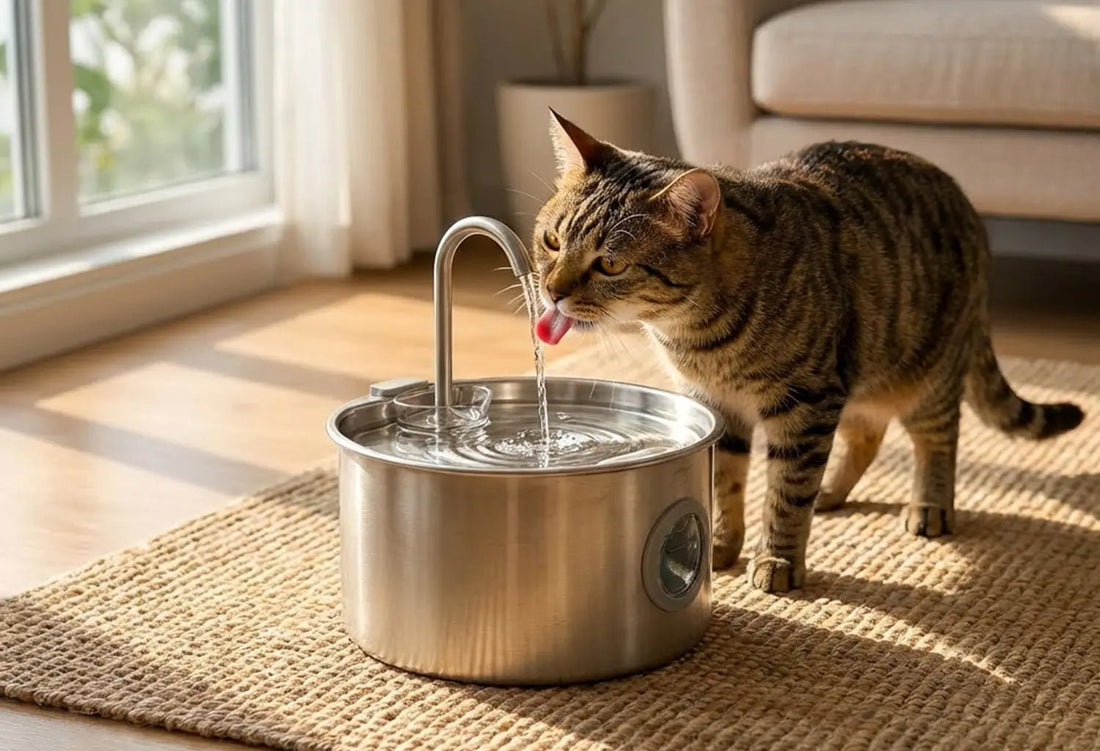
Cats have a talent for ignoring the water bowl you just refreshed - then sprinting to the sink the moment you turn it on. A stainless steel cat fountain is the most practical middle ground: moving water that stays fresher, in a material that holds up, looks clean on the counter, and doesn’t pick up odors the way some plastics can.
If you’re shopping for the best cat fountain stainless steel option, the “best” part depends on your home and your cat. A shy cat may need an ultra-quiet fountain with a gentle flow. A messy drinker may need a wider basin with high sides. A multi-cat household needs volume and stability, not a tiny top trickle that runs dry by day two. Let’s get clear on what actually matters so you can buy once and feel good about it.
Why stainless steel is the upgrade that pays off
Stainless steel tends to be the sweet spot for pet parents who care about both hygiene and home aesthetics. It’s non-porous, so it’s less likely to hold onto smells or develop that “film” some owners notice over time on other materials. It also tolerates frequent washing without clouding or discoloring.
There are trade-offs. Stainless steel can show water spots depending on your tap water, and it may sound “sharper” if the water level gets low and the stream splashes metal. The upside is simple: it’s durable, it looks modern, and it’s easy to keep truly clean - which is the whole point of a fountain.
What makes the best cat fountain stainless steel for your cat
Instead of getting lost in marketing claims, focus on the few design choices that directly affect whether your cat will actually use it and whether you’ll still like it a month from now.
Flow style: faucet, stream, or bubbler
Cats can be surprisingly opinionated about how water moves. Some love a thin stream they can sip from. Others prefer a gentle bubbling surface that doesn’t splash their whiskers.
If your cat is cautious or easily startled, a calmer bubbler-style flow is often the safest bet. If your cat already begs at the sink, a spout or faucet-like stream can feel familiar. For homes with wood floors or rugs nearby, prioritize a lower-splash design or a fountain with a broad, stable top that doesn’t “spray” when nudged.
Basin shape: whisker comfort and “no mess” drinking
A wide, open drinking area is a big deal, especially for cats that dislike their whiskers brushing the sides of a narrow bowl. Look for a stainless steel fountain with a generously sized basin where water collects even if the top stream is off.
Also consider your cat’s drinking posture. Some cats lap with their whole face close to the surface - those cats do better with wider surfaces and a lower lip. If you have a serial paw-dipper, higher sides and a heavier base can reduce the “playtime flood.”
Capacity: right-sizing for your routine
Capacity isn’t about how thirsty your cat is on day one - it’s about how often you want to refill and how protected the pump is from running low.
For a single cat and a small kitchen, a moderate capacity is usually fine if you refill every day or two. For two or more cats, or if you travel overnight, go bigger. A larger reservoir helps maintain a safer water level for the pump and keeps the fountain quieter.
Noise: pump design matters more than you think
Most fountains are “quiet” until they aren’t. Noise problems usually come from one of three things: the pump vibrating on the base, the fountain running low so the stream splashes, or mineral buildup on the impeller.
A strong stainless steel cat fountain setup should have a pump that sits securely (often with suction cups or a stable housing) and a design that still allows pooled water access if the stream is turned down. If you’re sensitive to sound - or the fountain sits near a bedroom - look for designs known for low-vibration pumps and easy pump cleaning.
Filters: helpful, but only if you’ll maintain them
Filters can improve taste and reduce hair and debris, but they’re not magic. If you don’t change or rinse them on schedule, they can restrict flow and contribute to pump strain.
If your household prefers low-maintenance routines, choose a fountain that can run well with simple pre-filter sponges and easy-to-find replacement filters. If you’re committed to a stricter routine, multi-stage filtration can be a nice plus, especially in multi-cat homes.
Stainless steel vs ceramic vs plastic: a quick reality check
Stainless steel wins on durability and everyday practicality. Ceramic can be beautiful and heavy (great for stability), but it can chip if dropped, and some designs have tighter channels that are annoying to scrub. Plastic is often the budget option and can be perfectly safe when high-quality, but it’s more likely to show wear and retain odor over time, especially with frequent use.
If you care about a clean look in a modern space and want a fountain that tolerates real life - dishwasher cycles, weekly scrubbing, the occasional bump off the mat - stainless steel is usually the most forgiving choice.
The features that separate “good” from “great”
When you’re comparing fountains, you’ll see a lot of overlapping claims. Here are the details that tend to make the difference.
A stainless steel top with minimal seams
A stainless steel top is great, but pay attention to how it’s put together. Fewer creases and tight corners means fewer spots for slime buildup and easier weekly cleaning. If the fountain has a stainless steel tray plus a plastic reservoir underneath, that can still be a good setup - just make sure the parts come apart easily so you can clean every surface that touches water.
Dishwasher-friendly parts (and realistic disassembly)
“Easy to clean” only counts if you can take it apart without a 12-step process. A well-designed fountain should come apart intuitively: lift the top, remove the filter, access the pump. If you need to unscrew tiny pieces every time, maintenance will slide - and fountains punish procrastination.
A pump you can clean in under five minutes
The pump is where performance lives or dies. The best stainless steel cat fountain choices typically include a pump that opens easily so you can rinse the impeller area. This one habit prevents most noise and flow issues.
If you’ve ever had a fountain get louder over time, it wasn’t “getting old.” It was begging for a quick clean.
Stable base and a real anti-slip setup
Cats jump, kids bump, and countertops get crowded. A heavier stainless steel build helps, but a good base design matters more than raw weight. Look for a fountain that sits flat, resists sliding, and pairs well with a waterproof mat if your cat is a splasher.
Matching fountain style to common cat personalities
If you want the “best” pick fast, match the fountain’s design to the behavior you already see.
For the shy or skittish cat, choose a low-profile stainless steel fountain with a gentle bubbler and a quiet pump. Keep it away from loud appliances and give your cat a few days to investigate.
For the sink-obsessed cat, a spout-style fountain that creates a visible stream can be a smooth transition. Cats that love running water often prefer a defined flow they can drink from directly.
For the whisker-sensitive cat, prioritize a wide basin and open drinking area. These cats may avoid narrow bowls, then suddenly drink more when the surface area feels comfortable.
For multi-cat households, pick capacity first, then stability. A larger stainless steel fountain with a broad base reduces refills and helps avoid the “who knocked it over” mystery.
How to keep a stainless steel cat fountain truly clean
Stainless steel makes cleaning easier, but it doesn’t remove the need for a routine. A quick weekly wash is usually enough to keep water tasting fresh and the pump running quietly.
Rinse and refill frequently, especially if your cat drops food in the basin or you have multiple pets sharing the fountain. Wash the stainless steel pieces with mild soap and a soft brush, paying attention to corners where biofilm can start.
Every week or two, open the pump and rinse the impeller area. If you have hard water, you may need to do this more often. You’ll know it’s time if the flow slows down or the fountain starts to hum.
Filter schedules depend on the design and your household. If you’re using carbon filters, replace them as recommended and rinse pre-filter sponges regularly. The goal is steady flow and clean-tasting water, not just “a filter exists somewhere inside.”
Placement tips that make cats actually use it
Where you put the fountain matters almost as much as which one you buy. Many cats prefer their water away from their food, and almost all cats prefer it away from the litter box.
Choose a low-traffic spot where your cat can drink without feeling trapped. If your cat is new to fountains, start with the flow on the lower side. Once they’re comfortable, you can increase movement if they seem drawn to it.
A simple waterproof mat underneath protects floors and helps your space stay tidy - especially with stainless steel fountains that look best when the area around them stays clean and intentional.
Shopping smarter: what to look for on the product page
Reviews are helpful, but read for patterns. Look for consistent notes about quiet operation, easy pump access, and how the fountain holds up after a few months.
Also check what replacements look like. Filters and pumps should be easy to get, and the fountain should be designed so replacement isn’t a headache. A great fountain is one you can maintain without turning it into a project.
If you like shopping from a curated store that prioritizes pet-safe materials and modern home aesthetics, Petmartopia at https://petmartopia.com is built around that exact idea - premium essentials that look clean in your space and hold up to everyday use.
Choosing the right one without overthinking it
If you want the simplest path to the best cat fountain stainless steel choice, pick a design with a wide drinking surface, an easy-clean pump, and a stable base. Then commit to a basic routine: fresh water, a quick weekly wash, and occasional pump cleaning.
Your cat doesn’t need the fanciest fountain on the internet. They need water that tastes fresh, feels safe to approach, and shows up in the same calm spot every day. When the fountain fits your home and your habits, hydration stops being something you worry about and becomes one of those quiet upgrades you’re glad you made.