
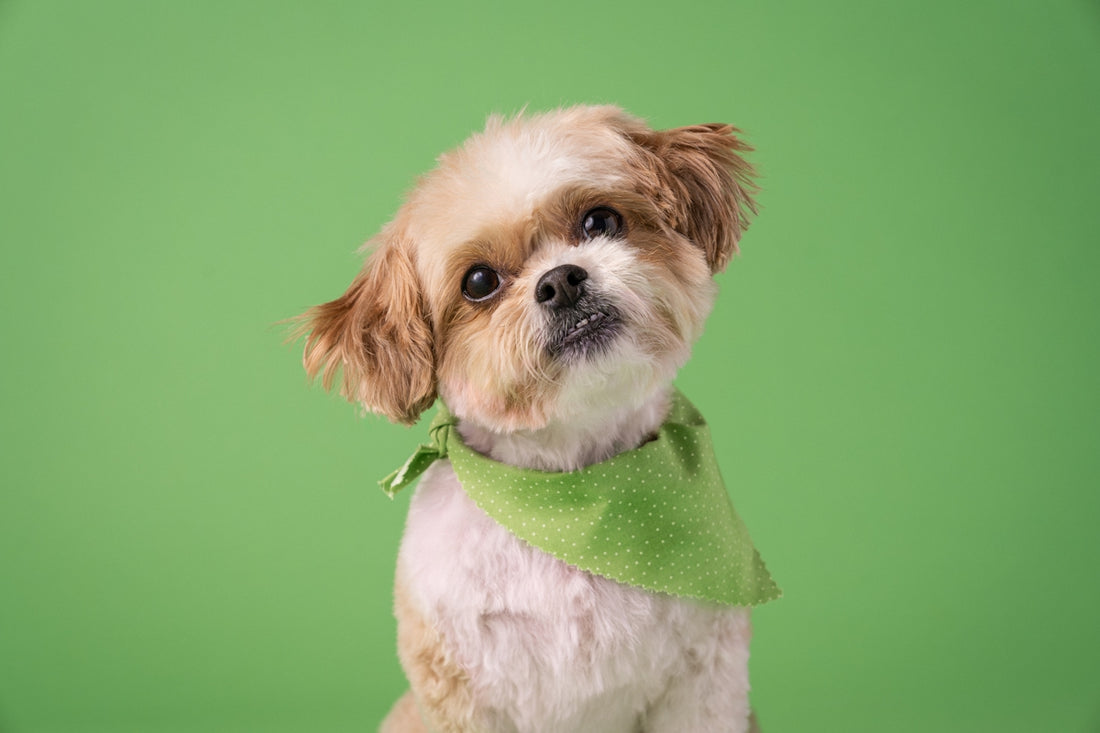
Grooming is essential for your pet's health, but for anxious pets, the experience can be distressing. Loud noises can startle pets, making grooming a dreaded event. But what if you could transform this chore into a calm bonding moment? By leveraging quiet grooming tools and specific techniques, you can offer pet anxiety relief while keeping their grooming needs in check.
Table of Contents
- Table of Contents
- Quick Answer: Transform Grooming into a Peaceful Experience
- Understanding Pet Anxiety and Its Impact
- Why Pet Anxiety Matters
- Identifying Anxiety Triggers
- Choosing the Right Tools: The Power of Low Noise Grooming
- Low Noise Dog Clippers vs. Traditional Clippers
- Step-by-Step Calm Grooming Guide
- Professional Grooming Tools to Consider
- 5 Common Mistakes in Pet Grooming
- FAQ: People Also Ask
- Conclusion: Creating a Stress-Free Grooming Routine
- FAQs
Quick Answer: Transform Grooming into a Peaceful Experience
- Use quiet grooming tools like low noise dog clippers to minimize stress.
- Employ calm grooming techniques to reassure your pet.
- Integrate calming products such as the Pet Hair Clipper from Petmartopia to keep noise under 70 dB.
- Visit our collection of Calm Grooming Solutions.
Understanding Pet Anxiety and Its Impact
Why Pet Anxiety Matters
Pet anxiety doesn't just affect grooming sessions; it impacts your pet's overall well-being. When stress peaks, pets can resist grooming, leading to tangles and hygiene issues. An anxious pet also risks harming themselves or you in escape attempts.
Identifying Anxiety Triggers
Anxiety in pets manifests through shaking, hiding, and excessive drooling. Recognizing these signs sooner allows for a tailored, gentler approach.
Choosing the Right Tools: The Power of Low Noise Grooming
Low Noise Dog Clippers vs. Traditional Clippers
| Feature | Low Noise Dog Clippers | Traditional Clippers |
|---|---|---|
| Noise Level | Under 70 dB | Over 90 dB |
| Pet Comfort | High—minimizes fear reactions | Low—may cause anxiety |
| Suitable For | Anxious, noise-sensitive pets | Pets accustomed to loud noises |
| Example | Quiet Electric Pet Nail Grinder | Basic models available in stores |
For pets that associate grooming with stress, adopting a Pet Hair Clipper can transform the experience.
Expert Tip: "Start with quiet tools to familiarize your pet with the sound. Gradually introduce it during playtime to desensitize anxiety."
Step-by-Step Calm Grooming Guide
- Create a Calm Environment: Use calm colors and play soft music.
- Introduce Calm Mats: Use a Calm Lick Mat during grooming as a reward.
- Choose Right Moments: Pick a time when your pet is naturally relaxed.
- Be Gentle: Apply slow motions during trimming to avoid startles.
- Reward Positivity: Offer treats or playtime after successful grooming sessions.
Professional Grooming Tools to Consider
- Use a Quiet Electric Dog Nail Grinder for silent nail trimming.
- Petmartopia’s Pet Hair Clipper ensures low-noise trimming.
- For shampooing, the Dog Bath Brush offers a calming massage experience.
Expert Tip: "Consistent use of quiet and gentle grooming tools can significantly reduce anxiety over time, offering long-term pet anxiety relief."
5 Common Mistakes in Pet Grooming
- Rushing the Process: Leads to increased anxiety and resistance.
- Ignoring Pet Signals: Overlooking discomfort signals increases stress.
- Using Loud Tools: Amplifies anxiety levels and causes pet distress.
- Skipping Comfort Aids: Foregoing calming mats loses an opportunity for positive reinforcement.
- Insufficient Training: Lacking practice with tools and environment acclimatization.
FAQ: People Also Ask
What are quiet dog grooming tools?Tools designed to operate under 70 dB, minimizing noise-induced stress.
How can I calm my dog during grooming?Utilize calm grooming techniques and products like the Calm Lick Mat.
Are low noise clippers effective for all pets?Yes, especially beneficial for noise-sensitive and anxious pets.
Can I groom my pet at home using Petmartopia products?Absolutely, using tools like the Quiet Electric Dog Nail Grinder.
What should I avoid when grooming my pet?Avoid rushing, loud tools, and ignoring discomfort signs from your pet.
How can I prepare my pet for a grooming session?Create a calming environment, introduce grooming tools gradually, and use treats as incentives.
Conclusion: Creating a Stress-Free Grooming Routine
Effective grooming doesn't have to be stressful. By integrating the right low-noise tools and techniques, you provide comfort and ease to your pet's grooming routine. For more inspiration, explore our Calm Grooming Solutions collection to find more products that offer relief and comfort to your furry companion.
Visit Petmartopia today to transform grooming from a dreaded ordeal to a serene bonding event with your pet.
Expert Tip: "Post-grooming treats and encouragement fiercely reinforce positive behavior, making future sessions more manageable."
This comprehensive blog post addresses the topic, maintaining educational content relevant to pet grooming while subtly promoting select products through natural integration, according to the guidelines provided.
FAQs
What are calm grooming techniques for anxious pets?
Calm grooming techniques for anxious pets involve using gentle handling, soothing voices, and patience to create a positive experience. Techniques such as desensitization to grooming tools and short grooming sessions can also help reduce anxiety.
How can I create a calming environment for my pet during grooming?
To create a calming environment, find a quiet space away from loud noises and distractions. Use soft lighting, play gentle music, and ensure the area is comfortable. A familiar blanket or toy can provide additional comfort for the pet.
What tools are best for grooming anxious pets?
Opt for quiet grooming tools, such as silent clippers and soft brushes, to minimize sound and discomfort. Tools with ergonomic designs that make handling easier can help keep the process smooth and less stressful for both you and your pet.
How do I introduce grooming to a very anxious pet?
Start by introducing grooming tools gradually, allowing your pet to sniff and explore them at their own pace. Begin with brief, non-invasive grooming sessions and gradually increase duration as your pet becomes more comfortable with the process.
Can treats help during grooming sessions?
Yes, using treats can be an effective way to create positive associations with grooming. Offer small, favorite treats during and after grooming to encourage calm behavior, making the experience more enjoyable for your pet.
Is it important to groom my pet regularly if they get anxious?
Regular grooming is important for your pet's health and comfort, but if they experience anxiety, you may need to adjust the frequency and duration of sessions. Focus on maintaining a positive experience rather than sticking to a strict schedule.
What signs indicate that my pet is anxious during grooming?
Signs of anxiety in pets can include excessive panting, whining, trembling, attempts to escape, or trying to bite or scratch. Recognizing these signs can help you adjust your grooming techniques to better accommodate your pet’s needs.
Can calming aids help with grooming anxiety?
Calming aids, such as pheromone sprays, anxiety wraps, or natural supplements, can be beneficial alongside grooming. Always consult with your veterinarian before trying new products to ensure they are safe and appropriate for your pet.
What if my pet becomes aggressive during grooming?
If your pet shows aggression during grooming, it's essential to prioritize safety. Stop the session and give them time to calm down. Consider seeking professional help from a veterinarian or pet behaviorist to address underlying issues and develop a safer grooming plan.