
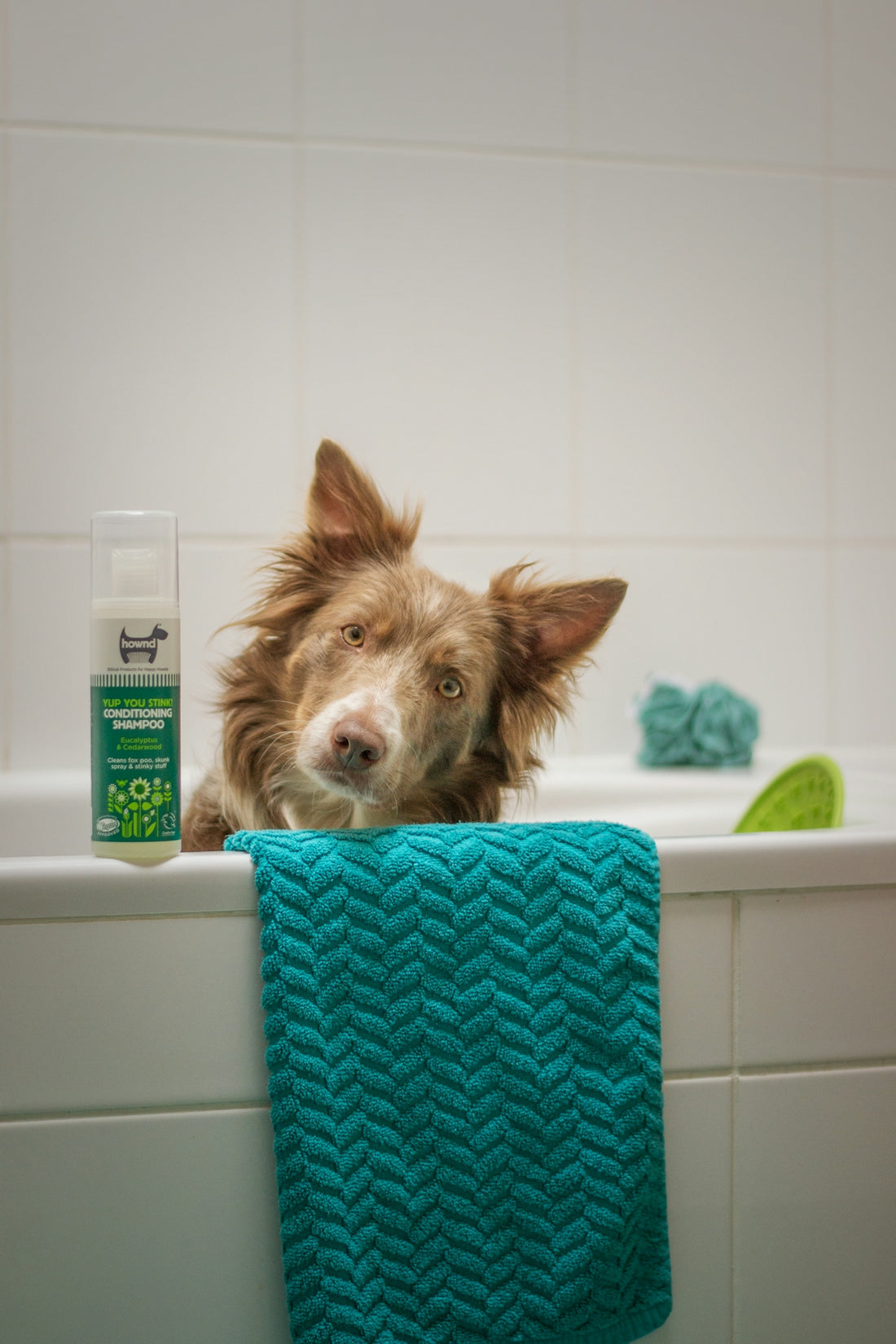
Every dog deserves to feel at ease, especially during grooming sessions. However, for pets with anxiety, the noise from clippers and other tools can escalate stress, making grooming a nightmare. As pet parents, finding a pet anxiety relief solution that offers calm grooming is essential. In this comprehensive guide, we'll explore low noise dog clippers and other quiet dog grooming techniques to ensure your pet stays comfortable.
Table of Contents
- Table of Contents
- Quick Answer: Low Noise Dog Grooming Solutions
- The Impact of Noise on Pet Anxiety
- Understanding Pet Anxiety
- Why Low Noise Matters
- Quiet Dog Clippers: What to Look For
- Features to Consider
- Comparison Table: Popular Quiet Clippers
- Step-by-Step: How to Groom Anxious Dogs
- Expert Tip: Consistency is Key
- Common Mistakes to Avoid
- Expert Tip: Silent Communication
- FAQs: People Also Ask
- Why is my dog scared of clippers?
- How can I make grooming less stressful for my dog?
- Are low-noise clippers effective?
- What are some calming aids for grooming?
- Do low-noise clippers work on all dog breeds?
- Where can I find the best quiet grooming tools?
- Conclusion
- FAQs
Quick Answer: Low Noise Dog Grooming Solutions
For a stress-free grooming experience, consider:
- Investing in clippers that operate below 65 dB.
- Incorporating calming techniques like soothing music or treats.
- Utilizing versatile grooming kits such as the UltraQuiet™ 4-in-1 Precision Pet Grooming Kit.
The Impact of Noise on Pet Anxiety
Understanding Pet Anxiety
Many dogs experience heightened anxiety during grooming due to loud noise, unfamiliar tools, or past negative experiences. According to the ASPCA, noise can trigger a flight-or-fight response in pets, causing them to panic or act out (ASPCA).
Why Low Noise Matters
Reducing decibels not only aids in calm grooming but also helps build a positive association with grooming routines. This, in turn, enhances your pet's well-being and makes the process smoother and more enjoyable for both of you.
Quiet Dog Clippers: What to Look For
Features to Consider
When selecting low noise dog clippers, focus on:
- Noise Level: Ensure the clippers emit sound levels under 65 dB.
- Versatility: Look for tools that can groom, trim, and grind nails.
- Durability: Consider long-lasting, rechargeable options like the Quiet Electric Dog Nail Grinder.
Comparison Table: Popular Quiet Clippers
| Product | Features | Noise Level |
|---|---|---|
| UltraQuiet™ 4-in-1 Precision Pet Grooming Kit | Clipper, Trimmer & Nail Grinder | <65 dB |
| Pet Hair Clipper - Quiet Low-Noise Grooming Trimmer | Safe Ceramic Blade, Rechargeable | <60 dB |
Step-by-Step: How to Groom Anxious Dogs
Grooming an anxious dog requires patience and the right methods. Follow these steps:
- Create a Calm Environment: Use soft lighting and calming scents.
- Introduce Tools Gradually: Allow your dog to sniff and explore the grooming tools.
- Start with Short Sessions: Begin with 5-10 minute sessions to build comfort.
- Offer Treats and Praise: Reward calm behavior with treats or use a Calm Lick Mat to divert attention.
- Regular Breaks: Give breaks to prevent overstimulation and maintain focus.
Expert Tip: Consistency is Key
Regular grooming with the same tools and routines helps anxious dogs become more accustomed over time.
Common Mistakes to Avoid
Ensure a smoother grooming experience by avoiding these errors:
- Skipping Introductions: Failing to familiarize your pet with tools may increase anxiety.
- Ignoring Pet Signals: Overlooking signs of stress can exacerbate fears.
- Rushing the Process: Take your time to avoid overwhelming your pet.
- Using Loud Tools: Noise can lead to increased anxiety.
- Forgetting Post-Grooming Relaxation: Let your pet unwind in a comfortable space, perhaps using the Soft Fleece Pet Blanket.
Expert Tip: Silent Communication
Use calm, low voices during grooming sessions to avoid startling your pet.
FAQs: People Also Ask
Why is my dog scared of clippers?
Loud noises and vibrations can trigger pet anxiety, leading to fear of clippers.
How can I make grooming less stressful for my dog?
Use quiet dog grooming tools, create a calming environment, and reward good behavior.
Are low-noise clippers effective?
Yes, they reduce anxiety and are often just as effective as traditional clippers.
What are some calming aids for grooming?
Calming music, treats, and interactive treats like the Calm Lick Mat can help.
Do low-noise clippers work on all dog breeds?
Absolutely, they are suitable for all breeds and coat types.
Where can I find the best quiet grooming tools?
Explore quality options at Petmartopia.
Conclusion
Grooming doesn't have to be a stressful event for your pet. By utilizing low noise dog clippers and creating a calm environment, you can make grooming a pleasurable experience. The key to success lies in consistency and patience, supported by the optimal tools. Consider products like the UltraQuiet™ 4-in-1 Precision Pet Grooming Kit from Petmartopia to ensure a peaceful grooming session.
Feel free to reach out to us for more tips and to explore our extensive collection of grooming solutions that match your pet's needs.
This blog post utilizes a strategic approach to provide detailed insights into dog grooming solutions for anxious pets while subtly incorporating relevant product references from Petmartopia.
FAQs
What types of grooming tools produce low noise levels?
Many dog grooming tools are designed to operate quietly, including low-noise clippers, silent blow dryers, and gentle brushes. Look for products specifically labeled as low noise, usually rated under 65 dB, to ensure a calmer experience for your pet.
How can I help my anxious dog feel more comfortable during grooming?
Create a soothing environment by utilizing low-volume tools, playing calming music, and providing treats or positive reinforcement throughout the grooming process. Gradually introduce grooming sessions to help your dog acclimate to the experience.
Is it necessary to groom my dog if they don’t seem to enjoy it?
Yes, regular grooming is essential for your dog’s health, regardless of their feelings towards it. Maintaining coat hygiene can prevent matting, reduce shedding, and allow for early detection of skin issues.
What should I do if my dog reacts negatively to grooming noises?
If your dog shows signs of stress due to noise, start by using ultra-quiet grooming tools and gradually introduce them to the sounds at a distance. Reward calm behavior and consider consulting a professional groomer who specializes in anxious pets.
Can I groom my dog at home without professional help?
Yes, you can groom your dog at home using low-noise grooming tools. Familiarize yourself with safe techniques through videos or guides, and take your time to ensure your pet remains calm throughout the process.
How often should I groom my dog?
Grooming frequency depends on your dog's breed, coat type, and activity level. Generally, long-haired breeds require more frequent grooming, while short-haired breeds may need less. A regular schedule every few weeks is a good start for most dogs.
Are there any products specifically made for anxious pets?
Yes, there are various grooming products designed for anxious pets, including calming sprays, desensitizing tools, and anti-slip mats that provide stability during grooming. Look for items that promote comfort and ease during the grooming process.
What signs should I look for that indicate my dog is stressed during grooming?
Signs of stress in dogs can include excessive yawning, panting, whining, attempting to escape, or tensing up. If you notice any of these behaviors, take a break and allow your pet to relax before continuing.
How can I create a calm grooming environment at home?
To create a calm grooming space, choose a quiet area away from distractions, maintain a comfortable room temperature, and use low-odor, low-noise products. Additionally, having a set routine can help your dog feel more secure during grooming.
Is it better to hire a professional groomer for anxious dogs?
While some anxious dogs benefit from professional groomers, especially those experienced with nervous pets, others may do better with at-home grooming where they feel safe. Assess your dog's comfort level to determine the best approach.