
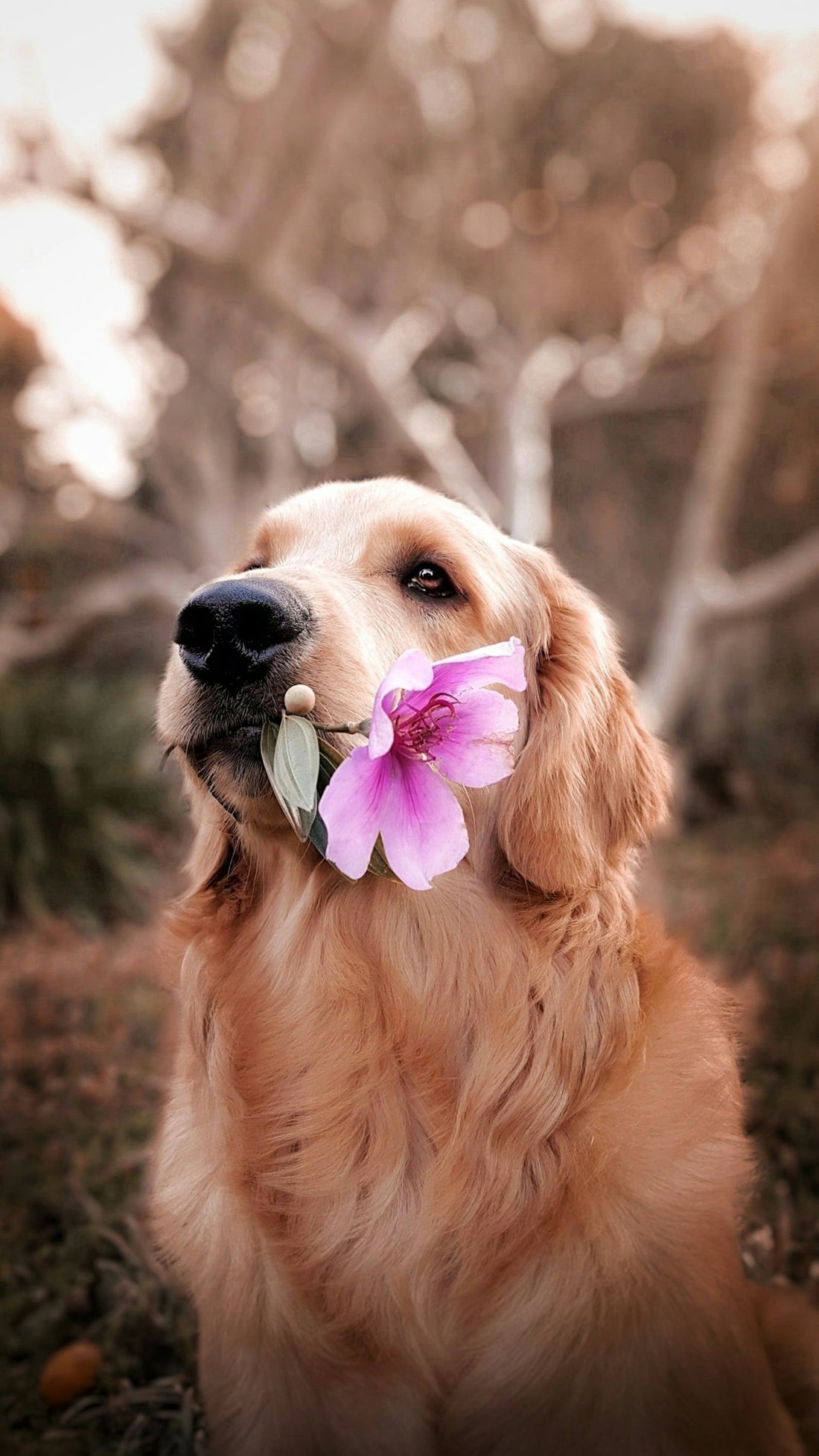
Grooming can be a stressful experience for many dogs, triggering pet anxiety that can lead to a range of behavioral issues. This anxiety matters because a calm dog is a happier dog, benefiting their overall health and wellness. Fortunately, there are grooming techniques designed to minimize stress, such as using quiet, low-noise equipment and soothing handling methods. This blog post will guide you through effective solutions, offering expert insights on keeping grooming sessions anxiety-free, ensuring a positive experience for both you and your pet.
Table of Contents
- Table of Contents
- Quick Answer
- Quiet Dog Grooming: Why It Matters
- Low Noise Equipment: Your Best Ally
- Step-By-Step Guide to Calm Grooming
- Expert Tips for Effective Quiet Grooming
- Comparison Table: Quiet Grooming Tools
- 5 Common Mistakes in Dog Grooming
- FAQ
- What are low noise dog clippers?
- How do I know if my dog has anxiety?
- Can regular grooming help with anxiety?
- Are there specific products that aid in calm grooming?
- Where can I find calm grooming solutions?
- What breeds are most prone to grooming anxiety?
- Conclusion
- FAQs
Quick Answer
For quick pet anxiety relief during grooming, consider using low noise dog clippers. These tools are designed to provide a calm grooming experience that minimizes stress. Incorporating quiet equipment into your routine can significantly reduce your dog's anxiety levels.
Quiet Dog Grooming: Why It Matters
Handling your pet's grooming needs in a manner that minimizes anxiety is essential. Dogs with anxiety might exhibit signs such as nervous pacing, whining, or aggressive behaviors. These reactions not only make grooming challenging but also affect your pet's well-being. By opting for a quiet dog grooming approach, you ease these stressful experiences, rendering grooming less daunting for your furry friend.
Low Noise Equipment: Your Best Ally
Investing in low noise dog clippers offers a significantly quieter alternative to traditional grooming tools, typically operating at less than 60 dB. This range is ideal for dogs sensitive to sound. Here are some benefits:
- Stress Reduction: A quiet grooming environment lessens audio triggers that might scare your pet.
- Improved Comfort: Quiet tools facilitate a gentler experience, encouraging cooperation.
- Better Grooming Results: A calm dog is easier to groom, allowing for more precise work.
Check out Petmartopia's 3-in-1 Pet Grooming Vacuum Kit for a comprehensive, noiseless grooming experience.
Step-By-Step Guide to Calm Grooming
How can you integrate these techniques into your grooming routine? Follow these steps for effective results:
- Prepare the Environment: Choose a quiet area free from loud noises. The space should be calm and soothing.
- Select Low Noise Tools: Opt for equipment like Petmartopia’s quiet clippers designed for sensitive pets.
- Calming Preparations: Use calming aids (such as treats or toys) to ease your dog's anxiety.
- Gentle Start: Start the grooming session gently, using slow, soothing motions.
- Positive Reinforcement: Reward your pet with treats and praises during and after grooming to reinforce positive behavior.
Expert Tips for Effective Quiet Grooming
Tip 1: Start Slow
Don't rush. Gradually introduce tools to the pet to prevent overwhelming them.
Tip 2: Maintain Routine
Create a consistent grooming schedule to build familiarity and reduce anxiety.
Tip 3: Foster Positivity
Associating grooming with positive experiences helps reduce fear over time.
Comparison Table: Quiet Grooming Tools
| Feature | Traditional Tools | Low-Noise Equipment |
|---|---|---|
| Sound Level | High (70+ dB) | Low (under 60 dB) |
| Stress Level | High | Low |
| Grooming Time | Longer | Shorter and smoother |
For more information on selecting the right equipment, read our detailed article on Calm Grooming: Top Five Low Noise Dog Clippers Reviewed.
5 Common Mistakes in Dog Grooming
- Using Noisy Tools: Loud clippers cause more anxiety.
- Ignoring Body Language: Watch for signs of stress.
- Inconsistent Routine: Regularity helps.
- Skipping Calming Aids: Utilize available resources like calming collars.
- Rushing: Patience is key to a stress-free grooming session.
FAQ
What are low noise dog clippers?
Low noise clippers operate below 60 dB, reducing stress-induced anxiety in pets.
How do I know if my dog has anxiety?
Look for signs like pacing, barking, or trembling.
Can regular grooming help with anxiety?
Yes, familiarization with grooming can help reduce anxiety over time.
Are there specific products that aid in calm grooming?
Products like the 3-in-1 Pet Grooming Vacuum Kit are designed for quiet grooming.
Where can I find calm grooming solutions?
Visit Petmartopia’s Calm Grooming Collection for a range of products.
What breeds are most prone to grooming anxiety?
Breeds with higher sensitivity, like toy breeds, may be more prone to anxiety.
Conclusion
Implementing quiet grooming techniques can significantly ease your dog's anxiety, fostering a more pleasant grooming experience. By adopting low noise tools, preparing the environment, and using positive reinforcement, you help your pet stay calm and comfortable. Explore our calm grooming solutions collection to equip yourself with the best tools for a peaceful grooming session. For further insights, don't forget to check out our article on Pet Anxiety Relief: Quiet Grooming Tips for Your Pet.
To learn more about products to help reduce pet anxiety and improve their overall quality of life, visit Petmartopia.
FAQs
What are some common signs of anxiety in dogs during grooming?
Common signs of anxiety in dogs during grooming include excessive panting, trembling, barking or whining, trying to escape, and refusal to cooperate. Some dogs may also show signs of stress like drooling or pacing.
How can I help my dog feel more comfortable during grooming?
To help your dog feel more comfortable, create a calm environment by playing soothing music, using gentle techniques, and gradually introducing grooming tools. It's also beneficial to take breaks and offer treats to create a positive experience.
What quiet grooming techniques can I use to reduce my dog's anxiety?
Quiet grooming techniques include using low-noise clippers, opting for hand-held grooming tools rather than machines, and practicing techniques like slow brushing and gradual desensitization to noises associated with grooming.
Is it better to groom my dog at home or take them to a professional groomer?
It depends on your dog's comfort level. Some dogs may feel more secure being groomed at home, while others may benefit from the expertise of a professional groomer trained in handling anxious pets. Consider your dog's personality and preferences when making this decision.
How often should I groom my anxious dog?
The frequency of grooming will vary based on your dog's breed and coat type. However, for anxious dogs, it's often best to groom them more frequently in shorter sessions to prevent overwhelming them while still maintaining coat health.
Can using calming products help reduce my dog's anxiety during grooming?
Yes, calming products such as anxiety wraps, pheromone sprays, or calming treats can help reduce anxiety during grooming sessions. It’s advisable to consult your veterinarian before introducing any new products to ensure they are suitable for your dog.
How can I train my dog to tolerate grooming better?
Training your dog to tolerate grooming can involve positive reinforcement techniques. Start with short sessions that incorporate treats and praise, gradually increasing the duration as your dog becomes more comfortable with the grooming process.
Are there specific grooming tools that are better for anxious dogs?
Yes, tools like rubber brushes, dematting tools designed for sensitive skin, and quiet nail clippers can be less intimidating and more comfortable for anxious dogs. Look for ergonomically designed tools that give you better control while grooming.
What should I do if my dog's anxiety during grooming worsens?
If your dog's anxiety during grooming worsens, it's essential to take a step back and reassess your approach. You may consider consulting a professional groomer who specializes in anxious dogs, or seek advice from a veterinarian or a pet behaviorist for tailored strategies.