
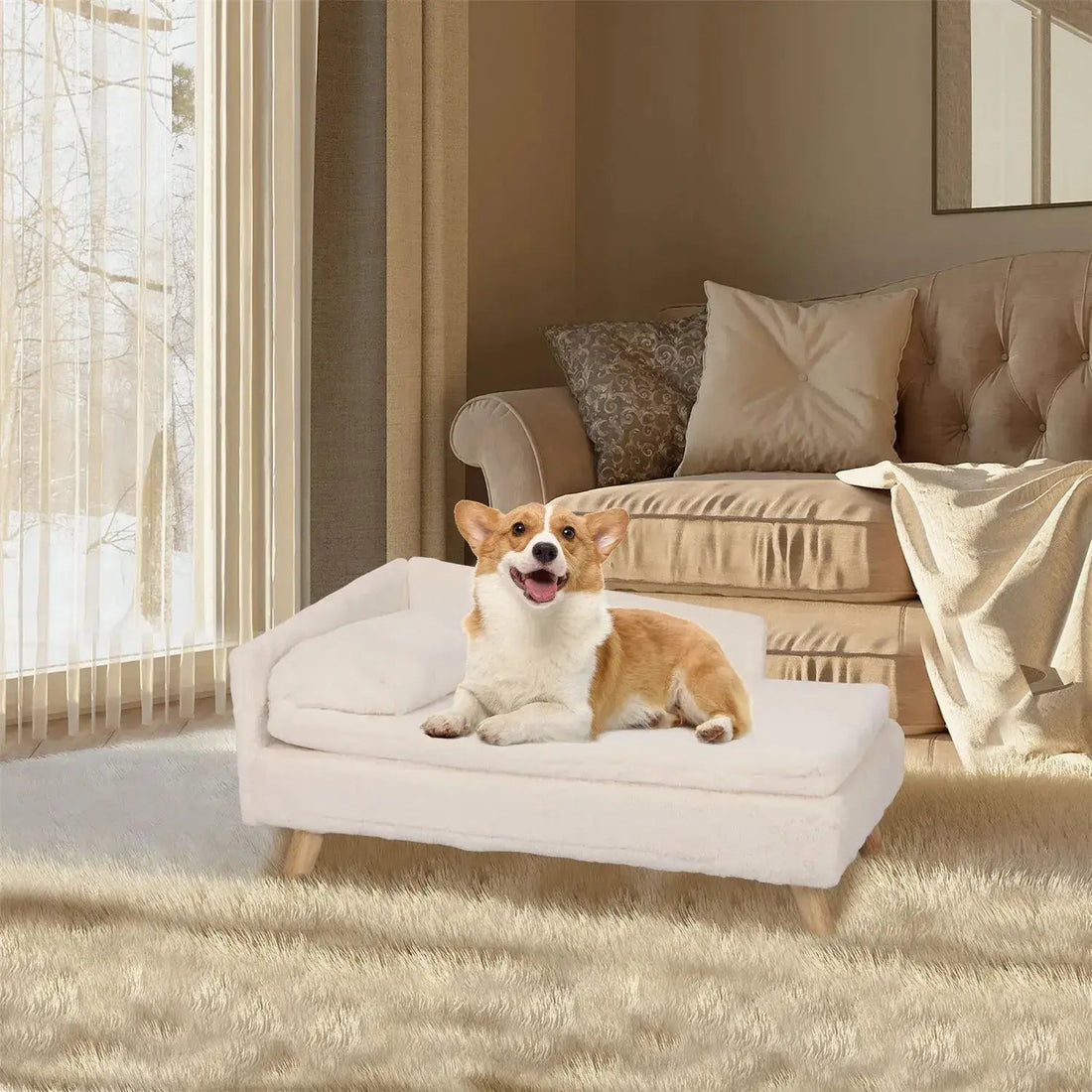
As a dedicated dog owner, you want your furry companion to be happy, healthy, and well-rested. Sleep plays a crucial role in a dog's overall well-being, just like it does for humans. A good night's rest supports immune function, mood, and physical recovery—especially for active pups or seniors with joint issues. Yet many owners overlook their dog's bed until problems arise.
If your dog seems uncomfortable, restless, or avoids their sleeping spot, it might be time for an upgrade. In this comprehensive guide, we'll cover the key signs your dog needs a new bed, why it matters, what to look for in a quality replacement (including orthopedic options for joint pain), and top recommendations. Whether your dog is a growing puppy, an energetic adult, or a senior with arthritis, investing in the right bed can make a world of difference.
Why a Quality Dog Bed Matters More Than You Think
Dogs spend up to 50% of their day sleeping or resting. A supportive bed provides pressure relief, maintains proper spinal alignment, and offers a sense of security. Poor bedding can lead to chronic discomfort, exacerbated joint problems like hip dysplasia or arthritis, and even behavioral issues from lack of rest.
Veterinary sources emphasize that orthopedic beds with memory foam are particularly beneficial for dogs showing signs of joint stiffness, as they contour to the body and reduce pressure points. For all dogs, a clean, durable, and appropriately sized bed prevents allergies, odors, and injuries from exposed filling.
7 Key Signs Your Dog Needs a Better Bed
Here are the most common indicators it's time to replace your dog's current bed:
- Visible Wear and Tear Look for sagging, lumps, flattened padding, holes, rips, or exposed stuffing. A worn bed loses support and can become unsafe if your dog ingests filling. The "thud test"—if your dog drops heavily because the bed bottoms out—signals inadequate cushioning.
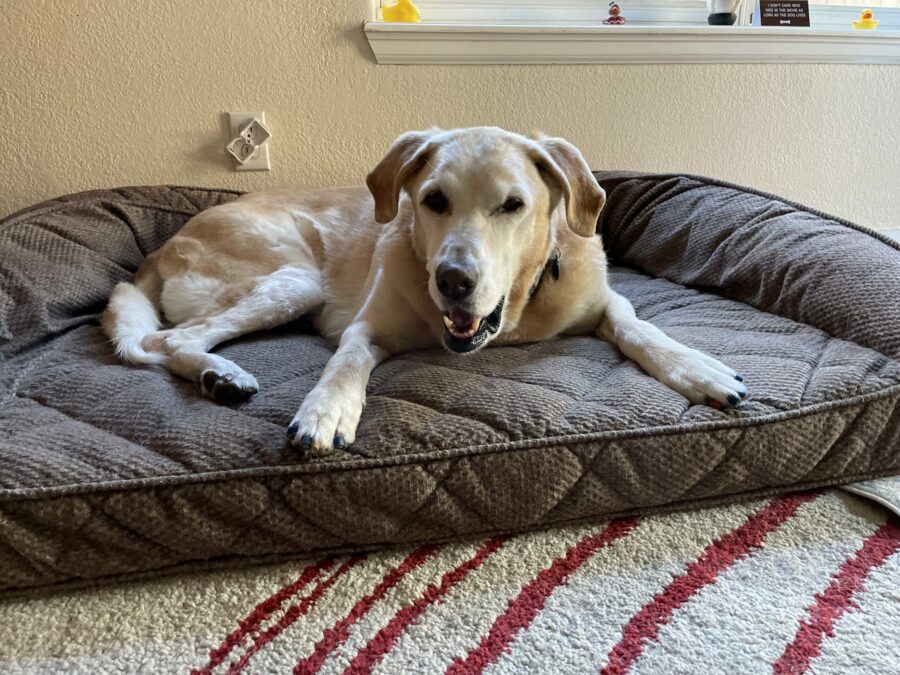
(ALT: Senior Labrador resting on a worn, sagging orthopedic dog bed showing signs of flattening and loss of support)
- Changes in Sleeping Patterns Restlessness, frequent position changes, pacing at night, or trouble settling are red flags. Your dog might be struggling to find a comfortable spot due to insufficient support or uneven padding.
- Joint Pain, Stiffness, or Difficulty Rising Older dogs, large breeds, or those with arthritis often show hesitation when getting up, limping, or "thuds" when lying down. A hard or thin bed worsens these issues—orthopedic memory foam beds provide essential joint relief.

(ALT: Large Great Dane comfortably sprawled on a thick orthopedic memory foam dog bed with bolstered edges for joint support)
- Allergies, Skin Irritations, or Hot Spots Old beds accumulate dust mites, bacteria, mold, and allergens that trigger itching or infections. If your dog scratches more or develops skin issues, the bed could be harboring irritants.
- Persistent Foul Odors Even after washing, a lingering smell indicates deep bacteria or mold buildup. This not only affects hygiene but can also impact your dog's respiratory health.
- Avoidance of the Bed If your dog prefers hard floors, furniture, or other spots, the bed is likely uncomfortable, too small, too hot, or associated with negative experiences.
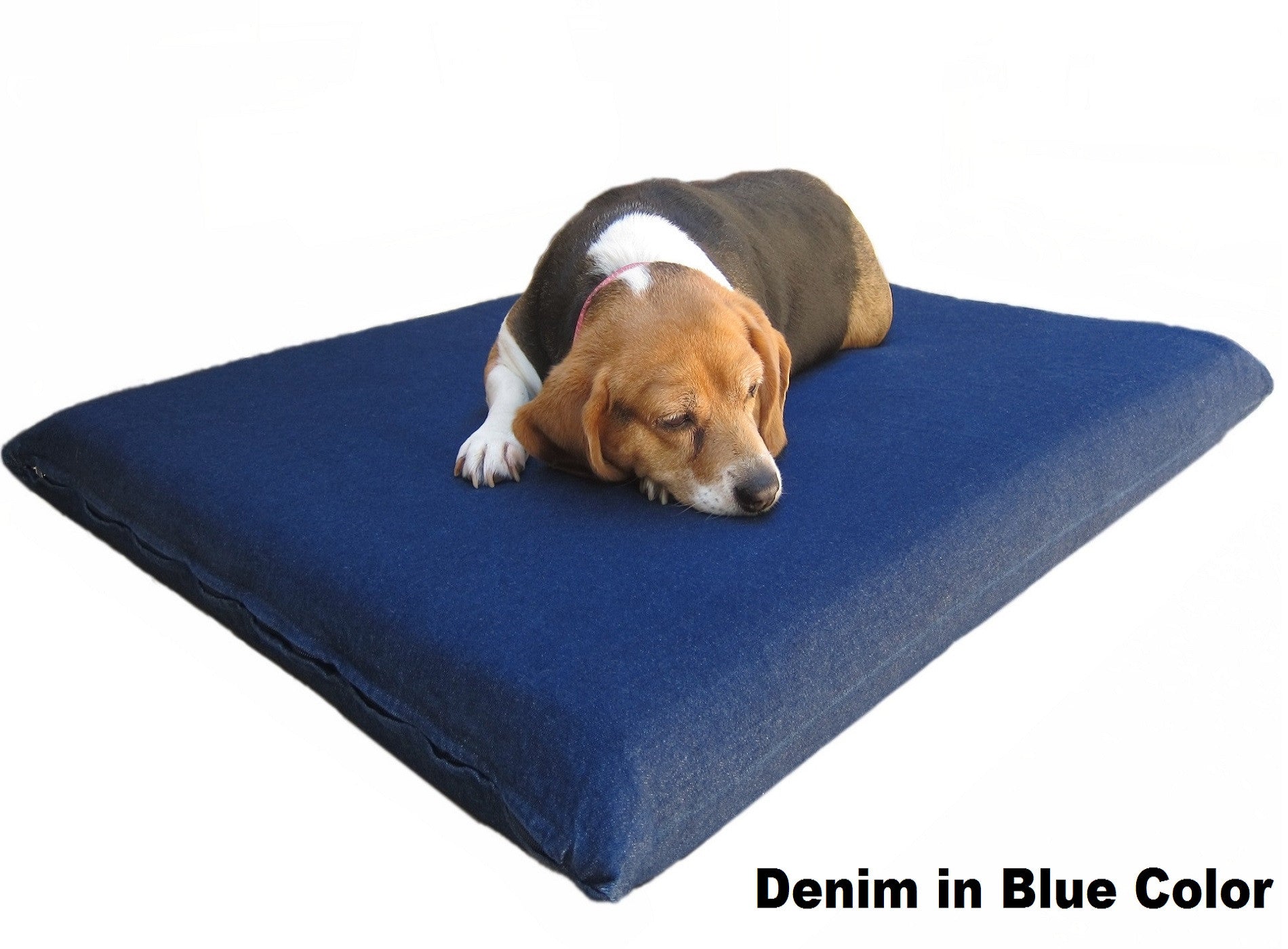
(ALT: Relaxed Beagle sleeping peacefully on a thick, supportive memory foam orthopedic dog bed in blue denim fabric)
- Outgrowing the Bed (Size Issues) Legs hanging off edges or cramped positioning means the bed is too small. Growing puppies or large breeds need ample space to stretch out fully.
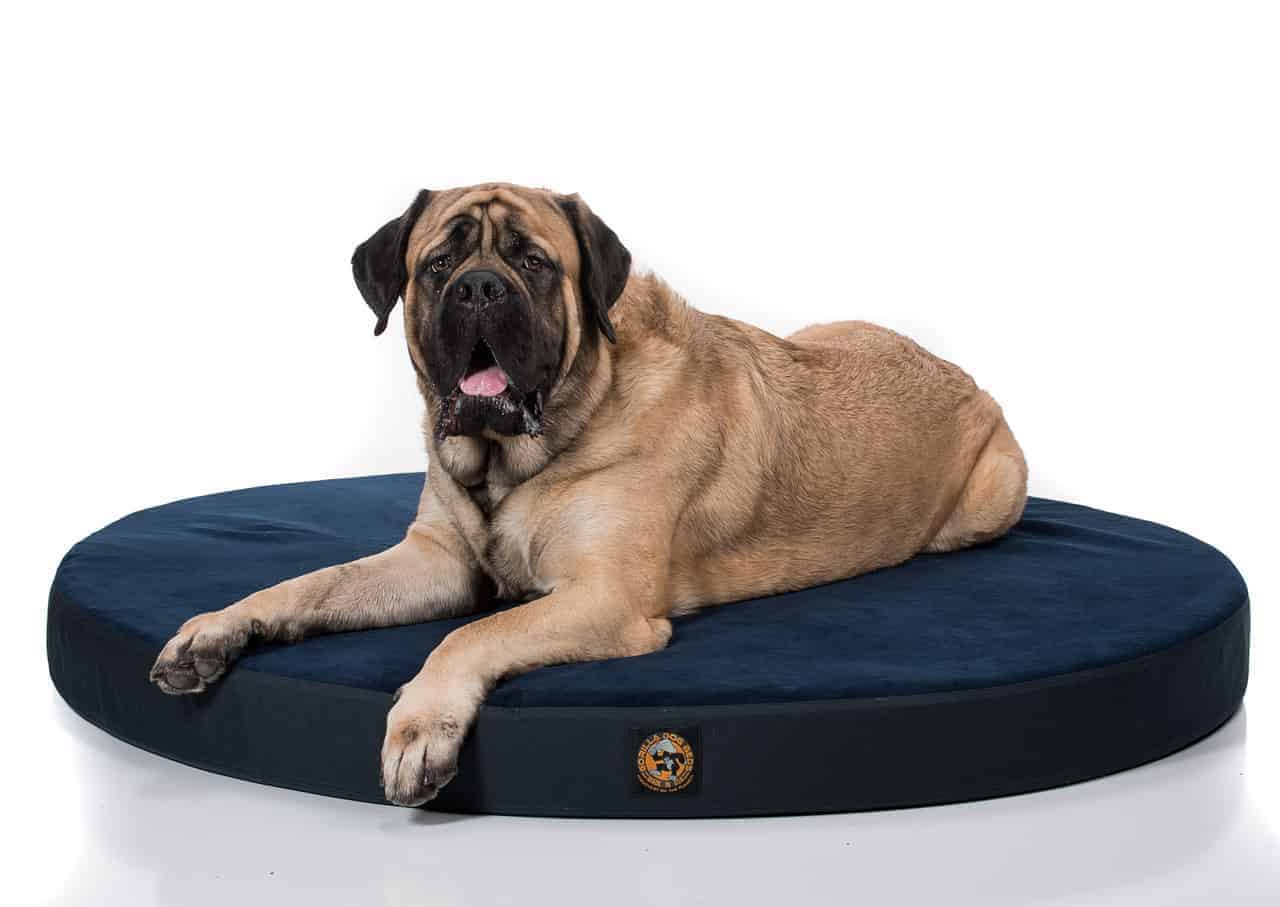
(ALT: Massive Mastiff lounging on a round, durable orthopedic dog bed designed for large breeds and joint comfort)
Pros and Cons of Upgrading to a Better Dog Bed
| Aspect | Pros | Cons |
|---|---|---|
| Comfort & Support | Better joint relief, deeper sleep, reduced pain | Initial adjustment period for some dogs |
| Health Benefits | Fewer allergies, less stiffness, improved recovery | Higher upfront cost for quality options |
| Durability | Longer-lasting materials resist wear | May require occasional cover washing |
| Hygiene | Removable, washable covers; hypoallergenic fills | Cheap beds still need frequent replacement |
| Behavior | Encourages use of designated spot | Dog may resist change initially |
What to Look for in a New Dog Bed
- Orthopedic Memory Foam: High-density (4-7 inches thick) for joint support—ideal for seniors or large breeds.
- Bolstered vs. Flat: Bolsters for head/neck support; low-entry for mobility issues.
- Size & Shape: Measure your dog curled and stretched; add 4-6 inches.
- Cover: Removable, machine-washable, waterproof liner.
- Materials: CertiPUR-US certified foam (no harmful chemicals); chew-resistant for tough chewers.
- Cooling Features: Gel-infused or breathable fabrics for hot climates.
Recommendation: Explore Premium Dog Beds at Petmartopia
While Petmartopia specializes in premium eco-friendly pet essentials, including interactive toys like the Automatic Dog Ball Launcher for active pups, they focus on high-quality comfort items. For supportive dog beds, consider orthopedic memory foam options available on the site or similar premium brands.
Shop the full range here: Petmartopia Dog Products – Use code FIRST20 for 20% off your first order and enjoy free shipping on eligible items.
For proven orthopedic choices, vets often recommend beds like those with thick memory foam for arthritis relief.
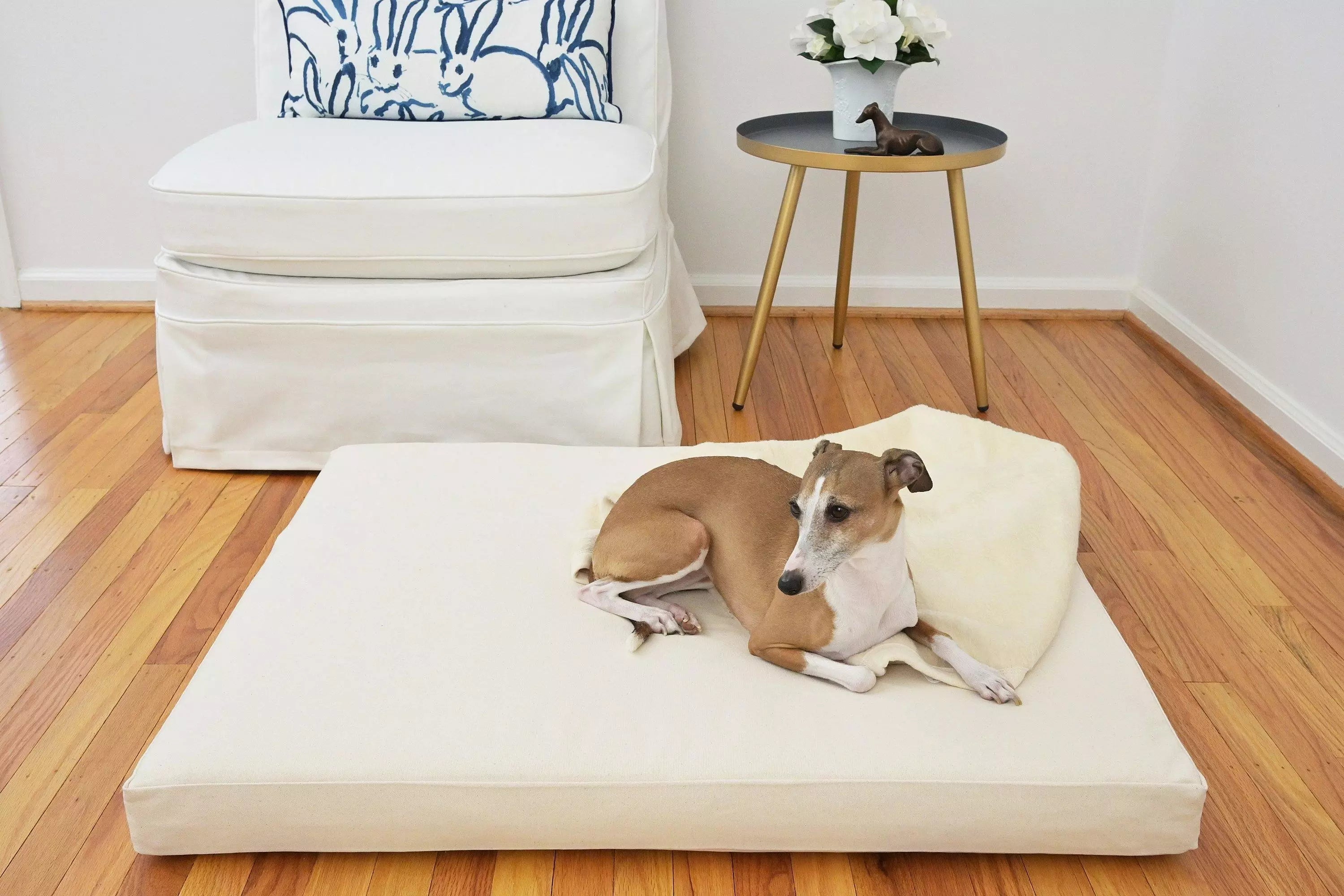
(ALT: Sleek white sighthound curled up contentedly on a natural, plush orthopedic dog bed for ultimate comfort)
Alternatives and Tips for Better Dog Sleep
- Add a blanket or elevated bed for airflow.
- Place the bed in a quiet, low-traffic area.
- Combine with regular exercise and vet check-ups for joint health.
- For severe issues, consult a vet—supplements or meds may help alongside a new bed.
FAQ: Common Questions About Dog Beds
How often should you replace a dog bed?
Every 1-3 years, or sooner if signs appear. Orthopedic beds last longer with care.
Are orthopedic beds worth it?
Yes, especially for seniors or breeds prone to joint problems—they reduce pain and improve mobility.
What if my dog chews beds?
Opt for tough, chew-proof materials with reinforced covers.
A supportive bed isn't a luxury—it's essential for your dog's health and happiness. By recognizing these signs and upgrading promptly, you'll help your pup enjoy deeper, more restorative sleep. Have you noticed any of these signs in your dog? Share in the comments!