
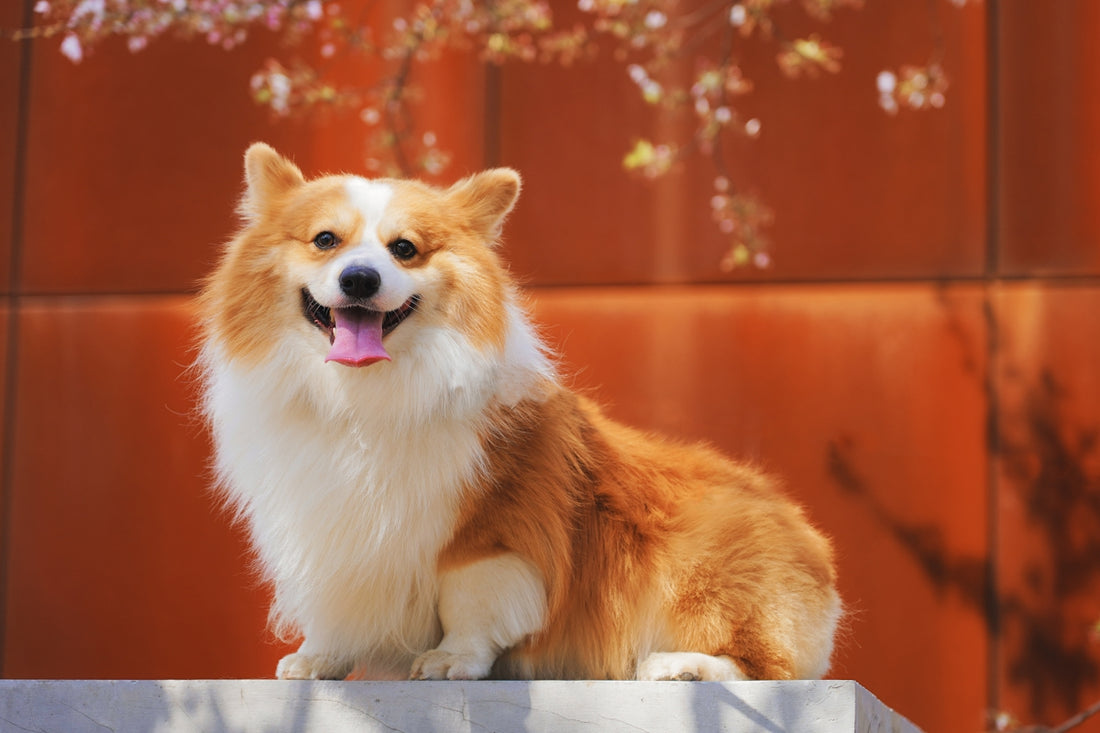
Pet anxiety is a common issue that affects many pets and their owners. Whether it's due to loud noises, unfamiliar environments, or prior traumas, anxiety can be a significant barrier to your pet's wellbeing. Grooming, intended to keep our pets healthy and clean, often exacerbates this anxiety with its harsh noises and sensations. Luckily, the right techniques can make grooming less stressful for your pet and more manageable for you. In this post, we will explore quiet grooming techniques and tools that can aid in pet anxiety relief, focusing on products like low noise dog clippers and other supportive devices.
Table of Contents
- Table of Contents
- Quick Answer: How to Calm an Anxious Pet During Grooming
- The Importance of Calm Grooming Techniques
- Low Noise Dog Grooming Tools
- Step-by-Step Guide to Quiet Grooming Techniques
- Expert Tip #1
- Professional Tip #2
- 5 Common Mistakes in Grooming Anxious Pets
- Expert Tip #3
- FAQ: People Also Ask
- What are signs of anxiety in pets during grooming?
- Why is my dog scared of the clippers?
- Can I groom my anxious dog at home?
- Is it better to use a professional groomer for anxious pets?
- What should I do if my pet gets too anxious during grooming?
- How often should I groom my anxious pet?
- Conclusion
- External References:
- FAQs
Quick Answer: How to Calm an Anxious Pet During Grooming
- Use calm grooming techniques like gentle handling and slow movements.
- Opt for low noise dog clippers to reduce audio stress.
- Create a serene environment with soothing music or scents.
- Gradually introduce grooming tools to your pet.
- Pair grooming time with positive reinforcement using treats.
The Importance of Calm Grooming Techniques
Understanding pet anxiety is the first step in managing it. Anxiety in pets can manifest through behaviors like pacing, trembling, or excessive barking. Addressing this is vital not just for the pet's emotional health but also for ensuring a safe grooming experience. Stress-free grooming promotes better hygiene, enhances skin health, and strengthens the bond between you and your pet. Plus, calm grooming habits can prevent aggressive reactions that arise out of fear.
Low Noise Dog Grooming Tools
Why Low Noise Tools?
Traditional grooming equipment can be a source of distress due to their loud noises. Products like low noise dog clippers Petmartopia Calm Grooming collection are specially designed to operate quietly, reducing anxiety triggers.
Comparison Table: Traditional vs. Low Noise Clippers
| Feature | Traditional Clippers | Low Noise Clippers |
|---|---|---|
| Noise Level | High | Under 60 dB |
| Stress Level | High | Low |
| Suitability for Anxious Pets | Poor | Excellent |
| Cost | Variable | Slightly higher but worth the investment |
For more detailed options, check out our article on Calm Your Anxious Pets: Best Low Noise Clippers.
Step-by-Step Guide to Quiet Grooming Techniques
- Prepare the Environment: Choose a quiet, familiar space for grooming. Dim the lights and play calming music.
- Introduce Tools Gradually: Let your pet sniff the equipment before use. Start with the quieter end of the clippers.
- Gentle Handling: Hold your pet gently but firmly to avoid startling them.
- Use Quiet Clippers: Invest in tools like Pet Nail Grinder and other low noise devices.
- Positive Reinforcement: Reward good behavior immediately with treats or affection.
For more products that assist in calm grooming, browse our Calm Grooming Solutions collection.
Expert Tip #1
Use Pet Eye Wipes for your pet's sensitive areas. These are gentle and won't provoke anxiety through harsh contact Learn More.
Professional Tip #2
Visit our article on Low Noise Dog Clippers: Must-Have Tools for Anxious Pets for product reviews and recommendations.
5 Common Mistakes in Grooming Anxious Pets
- Ignoring Warning Signs: Not recognizing signs of anxiety can escalate a pet's distress.
- Forcing Grooming: Forcing a fearful pet can lead to injuries or behavioral setbacks.
- Using Loud Tools: Avoid high-noise equipment to prevent trauma.
- Skipping Preparations: Forgetting to prepare and familiarize your pet with the tools.
- Neglecting Positive Reinforcement: Without rewards, pets may not associate grooming with positive outcomes.
Expert Tip #3
Consider using a Puzzle Enrichment Slow Feeder to engage your pet's mind before grooming. A calm state can make the process smoother.
FAQ: People Also Ask
What are signs of anxiety in pets during grooming?
Pacing, whining, and trembling are common indicators.
Why is my dog scared of the clippers?
Dogs may associate the sound or sensation with previous negative experiences.
Can I groom my anxious dog at home?
Yes, with the right quiet grooming tools and techniques, it's possible to groom at home.
Is it better to use a professional groomer for anxious pets?
Professional groomers may have more experience with nervous pets, but quiet techniques at home are also effective.
What should I do if my pet gets too anxious during grooming?
Stop and give your pet a break, then ease back into it with treats and positive reinforcement.
How often should I groom my anxious pet?
Regular grooming sessions are recommended to build familiarity and reduce stress.
Conclusion
Quiet grooming techniques are essential for pet anxiety relief. By employing low noise tools and calm grooming practices, you can make grooming a positive experience for both you and your pet. Consider adding products from Petmartopia to your toolkit to enhance these efforts. Visit our Calm Pets & Better Behavior collection for more solutions that cater to the needs of anxious pets. Start transforming grooming sessions into moments of bonding and tranquility today.
External References:
- AKC: American Kennel Club's guide to grooming nervous dogs.
- ASPCA: Understanding pet anxiety and behavior.
- Veterinary Clinic: Articles on calming strategies for pets.
FAQs
What is pet anxiety and how does it affect my pet?
Pet anxiety refers to a condition where pets experience excessive fear or stress, often leading to behaviors such as excessive barking, hiding, or destructive actions. It can stem from various triggers like loud noises, separation from owners, or changes in their environment.
What are quiet grooming techniques?
Quiet grooming techniques involve grooming practices that minimize noise and stress for pets, such as using silent clippers, gentle brushing, and soothing tones. The goal is to create a calming environment that helps reduce anxiety during grooming sessions.
How can grooming help alleviate my pet's anxiety?
Regular grooming can help build trust and familiarity between you and your pet, allowing them to feel more secure. The physical touch can also be soothing, and incorporating quiet techniques may make the experience more enjoyable, reducing overall anxiety levels.
Can I use calming products during grooming?
Yes, calming products like sprays, treats, or natural supplements designed for pets can be beneficial. It's important to select products specifically formulated for pets and to consult with a veterinarian before introducing any new calming aids.
How can I tell if my pet is anxious during grooming?
Signs of anxiety in pets during grooming can include excessive panting, trembling, hiding, or trying to escape. Additionally, vocalizations like whining or growling can indicate discomfort or stress, so it's crucial to monitor your pet's behavior closely.
What should I do if my pet becomes overly anxious during grooming?
If your pet shows signs of extreme anxiety, consider taking breaks during the grooming session or stopping altogether. You might also want to consult a professional groomer or animal behaviorist who can provide specialized techniques tailored to your pet's needs.
Are there certain breeds that are more prone to grooming anxiety?
Some breeds are more sensitive to grooming and changes in routine, often those with long or thick coats that require extensive grooming. However, individual temperament varies widely, so each pet should be assessed on their own traits and experiences.
How often should I groom my pet to manage anxiety?
The grooming frequency depends on your pet’s breed, coat type, and individual needs. For some pets, regular grooming can help reduce anxiety by desensitizing them to the process. A consultation with a groomer or veterinarian can provide tailored advice based on your pet's specific requirements.
Is there anything I can do to prepare my pet for a grooming session?
Preparing your pet for grooming can include getting them accustomed to the grooming tools beforehand, practicing handling, and creating a calm environment. Use treats and positive reinforcement to reward your pet during the process, helping reduce anxiety over time.