


About This Item
About This Item
The harness your cat can’t back out of — so outdoor walks stay calm and safe.
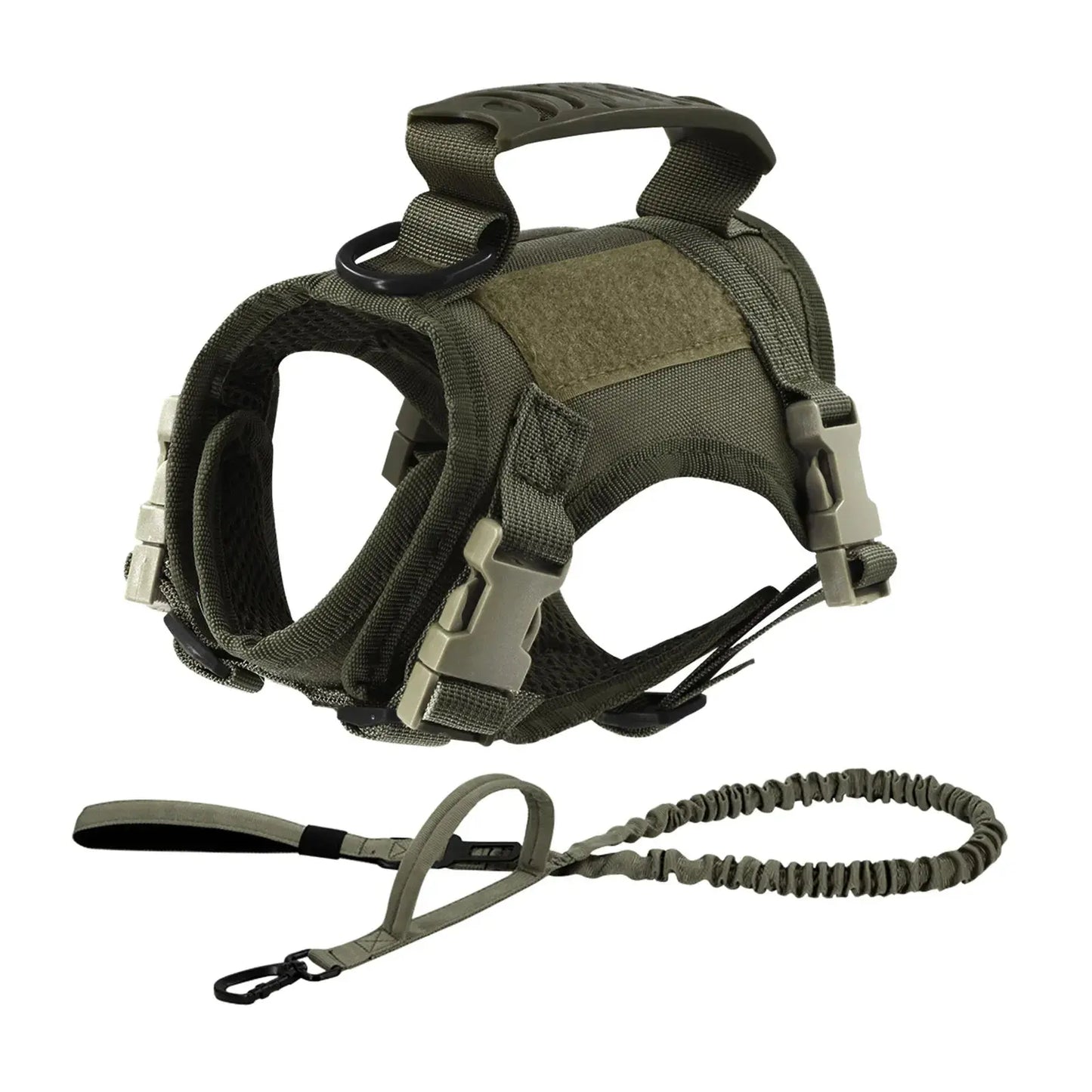
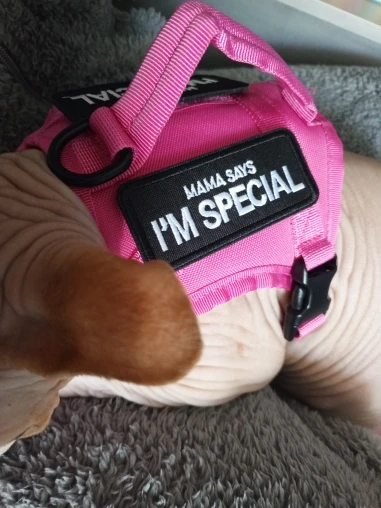
The classic cat escape move — sucking in the body and pulling backwards — works on H-style harnesses and single-strap designs because there’s always one strap to back out of. The TactiVest™ wraps around the chest and belly in a full jacket configuration, distributing pressure evenly across the body and making the backward escape structurally very difficult. No single strap. No escape route. Just a secure, comfortable fit your cat can actually tolerate.
Why Cat Parents Choose TactiVest™
🛡️ Full Vest Jacket Design — Escape-Resistant
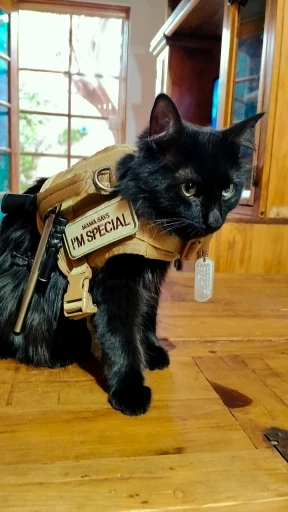
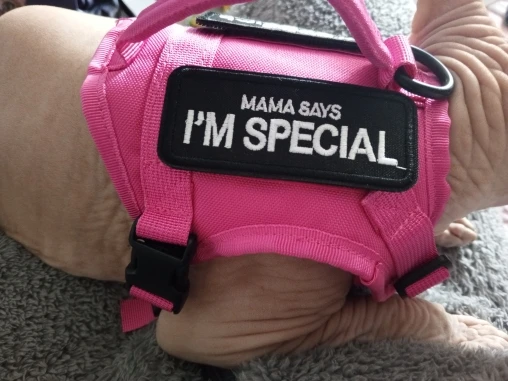
The integrated chest plate, belly strap, and back panel work together as a single unit — there’s no single strap for a cat to back out of. The full coverage design makes the classic backward escape maneuver structurally very difficult, even for experienced escape artists.
🐈 Pressure Distributed Across the Body
Unlike collar-style restraints that concentrate pressure on the throat, the vest distributes contact across the chest and back. Cats tolerate distributed pressure significantly better — less resistance, less freezing, calmer walks.
🔧 3-Point Adjustment — Precise Fit for Any Body Shape
Independent neck, chest, and belly adjustment points allow a precise fit for any cat body shape — from lean, long-bodied breeds to rounder, stockier cats. A well-fitted harness is the difference between secure and escapable.
🌬️ Breathable Mesh Ventilation Panels
Mesh panels in the chest and side areas allow airflow during outdoor wear, preventing overheating — particularly important for cats wearing the harness during warmer months or longer outdoor sessions.
⚡ Quick-Release Buckles
Snap buckles allow fast on and off without wrestling your cat into the harness. Faster harnessing means less stress before the walk even begins.
How to Introduce the TactiVest™ to Your Cat
Harness paralysis — where a cat freezes and refuses to move — is a training issue, not a harness problem. A gradual introduction makes all the difference:
- Leave the harness near your cat’s sleeping spot for several days so they get used to the scent and object.
- Put the harness on indoors for 5–10 minutes daily without attaching a leash.
- Reward calm behaviour with treats and praise during and after each session.
- Once your cat moves freely indoors with the harness on, attach the leash and walk them around the house.
- Only attempt outdoor use once your cat is fully comfortable indoors — typically 2–4 weeks of indoor habituation.
Tip: Never rush the introduction. A cat that associates the harness with positive experiences will wear it willingly. A cat that associates it with stress will fight it every time.
Ideal For
- Cats that have previously escaped from H-style or single-strap harnesses
- Indoor cats being introduced to supervised outdoor exploration
- Cats that travel in carriers and need secure harness control during transitions
- Anxious cats that need a distributed-pressure design rather than a single-strap restraint
Important: Fit & Safety
Measure your cat’s neck girth and chest girth (widest point behind the front legs) before selecting a size. The harness should sit snug but allow two-finger clearance under any panel. When between sizes, choose the larger.
Always supervise your cat during outdoor use. Never leave your cat unattended while wearing a harness and leash. Re-check the fit regularly — cats can lose or gain weight seasonally.
Size Guide & Full Specifications
| Design | Full vest jacket (chest plate + belly strap + back panel) |
| Adjustment points | 3-point (neck, chest, belly) |
| Leash attachment | Dorsal D-ring (back) |
| Buckles | Quick-release snap buckles |
| Ventilation | Breathable mesh panels (chest and sides) |
| Colours available | Green, Rose, Black, Khaki |
| Size | Free Size (adjustable — check chest and neck girth before ordering) |
Measure your cat’s neck girth and chest girth and compare to the size chart before ordering. When in doubt, size up.
What’s Included
- 1× TactiVest™ Escape-Proof Cat Harness
Frequently Asked Questions
My cat freezes and won’t move in a harness — is this normal?
Yes — harness paralysis is very common in cats and is a training issue, not a harness problem. Cats need time to associate the harness with positive experiences before they’ll move freely in it. Follow the gradual introduction guide above — most cats need 2–4 weeks of indoor habituation before outdoor walks go smoothly.
Is it truly escape-proof?
The full vest jacket design is significantly more escape-resistant than H-style and single-strap harnesses. However, no harness is completely escape-proof — correct fit is essential. Always check all three adjustment points before each outing and never leave your cat unattended on a leash.
Is it suitable for kittens?
Check the minimum chest and neck girth measurements against your kitten’s size before ordering. For very young or small kittens under approximately 2–3kg, a lightweight H-style harness in XS may be a better starting point until the kitten grows into a vest size.
Can I use it for car travel?
Yes. The dorsal D-ring allows attachment to a seatbelt adaptor for secure in-car restraint. The vest design keeps your cat contained during transitions between carrier and vehicle without the escape risk of a collar.
Safe Outdoor Exploration — Without the Escape Risk
Outdoor enrichment reduces anxiety and boredom in indoor cats. The TactiVest™ gives you the security to make it possible — a harness your cat can’t back out of, in a fit they can actually tolerate.
Secure fit. Calm walks. No escape route.
Petmartopia — Calm Pets. Happy Hearts.


Resently Viewed

TactiVest™ Escape-Proof Cat Harness –...