
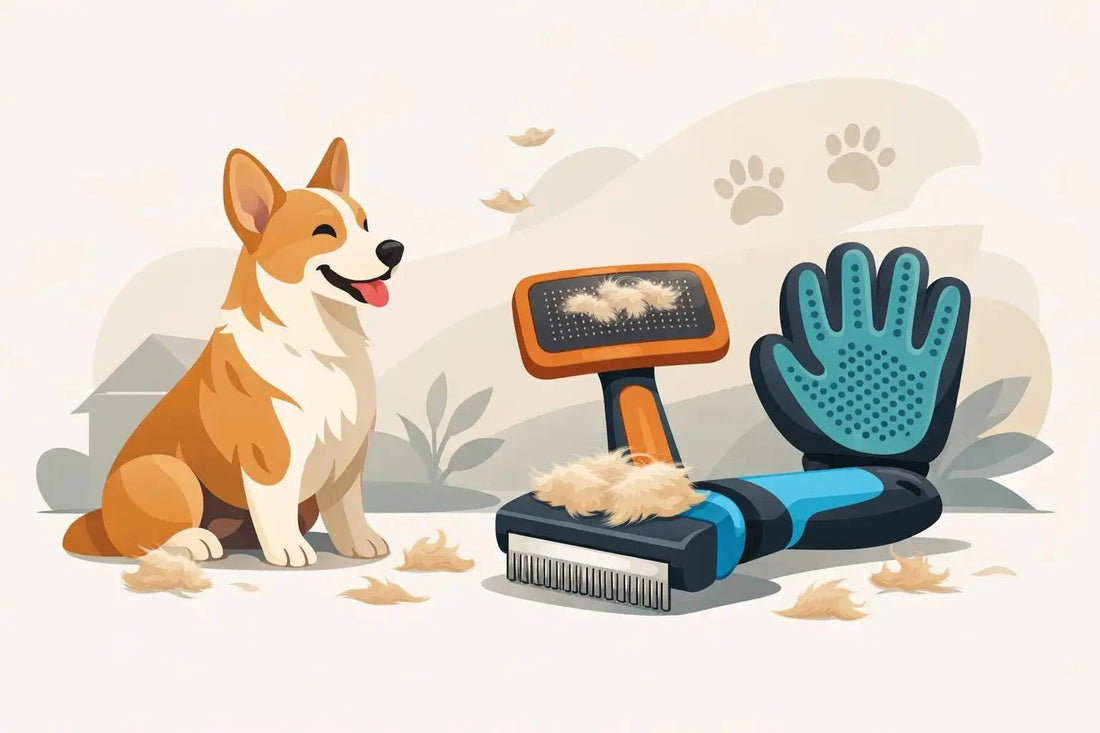
That fine layer of dog hair on your black leggings is not your imagination. Short-haired dogs can shed just as aggressively as long-haired ones, and somehow the hair feels even harder to remove from couches, car seats, and bedding.
The fix usually is not brushing more aggressively. It is choosing the right tool for the coat your dog actually has. If you are trying to find the best brush for short haired dog shedding, the goal is simple: lift loose hair efficiently without scratching the skin, flattening the coat, or turning grooming into a wrestling match.
What makes short-haired shedding tricky
Short coats look low-maintenance, but many shed constantly. Breeds like Labradors, Beagles, Pugs, Boxers, and Pit Bulls often have dense hair packed close to the body, and some also carry a soft undercoat that releases year-round.
Because the coat is short, there is less length for loose fur to get trapped in. That means it falls straight onto your floors and furniture instead of staying in the coat until bath day. It also means the wrong brush can irritate the skin fast. A tool that works beautifully on a Golden Retriever can be too harsh for a sleek, close coat.
This is where a lot of pet parents get frustrated. They buy the most heavy-duty deshedding tool they can find, use it for ten minutes, and end up with a dog that hates brushing. With short-haired breeds, gentle and effective usually beats intense and occasional.
The best brush for short haired dog shedding depends on coat type
There is no single brush that works for every short-haired dog. The best choice depends on whether your dog has a single coat, a dense double coat, sensitive skin, or a coat that sheds in heavy seasonal waves.
For sleek single coats, use a rubber grooming brush
If your dog has a smooth, close coat with no heavy undercoat, a rubber grooming brush is usually the safest and most useful place to start. These brushes grab loose surface hair, stimulate the skin, and feel more like a massage than a chore.
They are especially helpful for dogs that dislike metal bristles or have thin skin. A rubber brush also works well during bath time, when shampoo helps loosen dead hair. For many short-haired breeds, this is the tool that gets used most often because it is quick, low-stress, and easy to clean.
The trade-off is that rubber brushes are not always enough during peak shedding season. If your dog is blowing coat in spring or fall, you may need something with a bit more reach.
For dense short coats, a deshedding tool can help
Short-haired dogs with undercoats often benefit from a deshedding tool designed to pull loose hair from beneath the topcoat. This can make a big difference for Labs, French Bulldogs with thicker coats, and other breeds that seem to shed no matter how often you vacuum.
Used correctly, this kind of tool reduces loose fur fast. Used too often or too aggressively, it can remove too much coat and irritate the skin. That is why technique matters as much as the tool itself. Short sessions, light pressure, and brushing in the direction of hair growth are the safe approach.
If your dog has sensitive skin, redness, dandruff, or very thin fur in spots, a deshedding tool may be too much unless your vet or groomer says otherwise.
For finishing and shine, a soft bristle brush still matters
A soft bristle brush does not usually remove the most hair, but it is excellent for finishing. It smooths the coat, spreads natural oils, and helps remove the last layer of loose fur after a rubber or deshedding tool.
Think of it as the clean, polished step. If you care about keeping your dog comfortable and your home looking a little less furry, pairing a soft bristle brush with one more functional grooming tool often works better than relying on bristles alone.
Brushes that usually do not work well for short coats
Slicker brushes have their place, but they are often better suited for medium or long coats with tangles. On very short hair, they can feel too scratchy while doing less actual deshedding than expected.
Pin brushes are another common mismatch. They look familiar, but they are not the most efficient choice for tight, shedding-prone coats. If your main goal is reducing hair around the house, you can usually skip them.
Grooming gloves are popular because dogs tolerate them well, and some are genuinely helpful. But results vary. On some coats, they lift a satisfying amount of hair. On others, they just move fur around. They are a nice add-on tool, not always the best primary brush for short haired dog shedding.
How to choose the right brush without overbuying
Start by looking at your dog’s coat, not the marketing on the box. If the coat feels sleek and flat, begin with rubber. If it feels dense or plush despite being short, consider adding a deshedding tool. If your dog has skin sensitivities, err on the gentler side.
Comfort matters too. A brush you can hold easily and clean quickly is more likely to get used regularly. That sounds minor, but regular brushing is what actually reduces shedding in real life. The best tool is the one that fits your dog and your routine.
If you are building a simple at-home grooming setup, two tools are often enough: a rubber grooming brush for regular use and a soft bristle or light deshedding tool for extra help during heavy shed periods. That keeps the routine effective without filling a drawer with tools you never reach for.
How often should you brush a short-haired dog?
For most short-haired dogs, brushing two to four times a week works well. During heavy shedding seasons, daily brushing may be worth it, especially if your dog has an undercoat.
Short sessions are usually better than marathon grooming. Five to ten minutes is enough for many dogs. You remove loose hair before it spreads through the house, and your dog is less likely to get annoyed.
If you notice redness, excessive scratching, flaky skin, or a coat that looks thinner after grooming, pull back. More brushing is not always better. Sometimes the routine needs a gentler tool or fewer passes.
Technique matters more than most people think
A good brush used roughly can still cause problems. Brush with light pressure and follow the direction of hair growth. Work in small sections, especially around the shoulders, hips, and base of the tail, where loose fur often collects.
Do not keep going over the same spot once the brush stops picking up hair. That is where irritation starts. If your dog is wiggly, brush after a walk or during a calm part of the day when they are more likely to stand still.
Bathing can also help if your dog is in a major shedding phase. A pet-safe shampoo followed by a rubber brush once the coat is mostly dry often removes more loose fur than dry brushing alone. The key is not making the experience too intense. Calm, consistent grooming usually gets better long-term results than occasional aggressive sessions.
What else helps reduce shedding at home?
Brushing is the main tool, but it is not the whole picture. Diet, skin health, and bathing habits all affect how much hair ends up on your floors. If your dog’s coat seems dull, brittle, or unusually flaky, it may be worth checking with your vet.
Inside the home, washable throws on favorite nap spots and frequent vacuuming do a lot of the heavy lifting. For pet parents who care about keeping a clean, modern space, the smartest approach is usually prevention first. Remove loose hair from the dog before it lands everywhere else.
If you are upgrading your grooming routine, it helps to choose tools that are pet-safe, easy to clean, and simple enough to use consistently. That is usually the difference between a brush that sits in a cabinet and one that becomes part of weekly life. Petmartopia focuses on that kind of everyday practicality - products designed for pets, approved by pet parents, and easy to live with.
So what is the best brush for short haired dog shedding?
For most short-haired dogs, a rubber grooming brush is the best starting point because it is gentle, effective, and easy to use often. If your dog has a thick undercoat or sheds heavily in seasonal cycles, adding a quality deshedding tool can make a noticeable difference. A soft bristle brush is the best supporting player for shine and finishing.
That answer is less flashy than a one-size-fits-all recommendation, but it is more useful. The right brush is the one that matches your dog’s coat, respects their skin, and makes regular grooming feel manageable.
A calmer dog, less hair on the sofa, and a grooming routine you will actually stick with is a pretty good standard to shop by.