
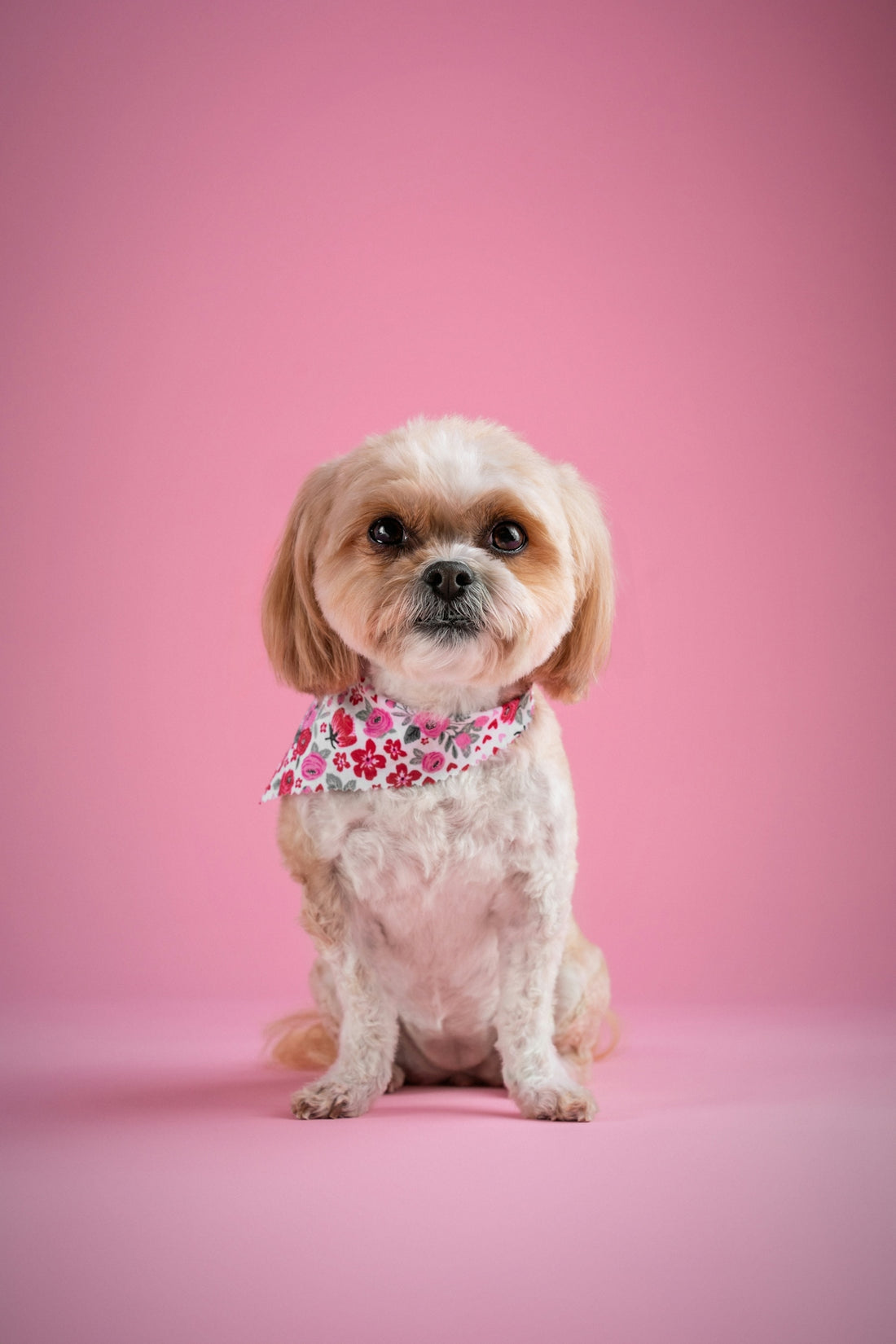
Pet grooming isn't just about keeping your furry friends looking their best; it's an essential aspect of their overall well-being. However, for pets suffering from anxiety, grooming can be daunting. Addressing this issue is crucial, as unmanaged anxiety can lead to health problems and behavioral issues. This blog post promises to introduce you to calm grooming methods and effective pet anxiety relief strategies, fostering a gentler grooming experience.
Table of Contents
- Table of Contents
- Quick Answer
- Understanding Pet Anxiety
- Why Calm Grooming Matters
- Essential Calm Grooming Tools
- Low Noise Dog Clippers vs. Traditional Clippers
- Step-by-Step: Effective Calm Grooming
- Professional Tip
- Common Mistakes in Grooming Anxious Pets
- FAQs: People Also Ask
- Conclusion
- External References:
- FAQs
Quick Answer
To alleviate pet anxiety during grooming, employ calm grooming techniques. Use tools like low noise dog clippers and quiet dog grooming kits, which are specifically designed to minimize stress and noise, creating a serene grooming environment.
Understanding Pet Anxiety
Pet anxiety manifests in various forms—fear, aggression, and vocalization. Common stress triggers include loud noises and abrupt movements during grooming sessions. Anxiety not only affects your pet's mental health but can also lead to physical problems like skin irritation.
Why Calm Grooming Matters
Utilizing calm grooming strategies can:
- Reduce stress-induced behaviors.
- Foster a trusting bond between pet and owner.
- Prevent injury from sudden movements or reactions.
For more about pet anxiety relief, visit Calm Grooming Solutions.
Essential Calm Grooming Tools
When it comes to pet anxiety relief, the tools you use matter. Here's why quiet clippers and other accessories are game-changers:
Low Noise Dog Clippers vs. Traditional Clippers
| Feature | Low Noise Dog Clippers | Traditional Clippers |
|---|---|---|
| Noise Level | Low | High |
| Anxiety Reduction | High | Low |
| Price Range | Moderate | Moderate to Low |
Quiet grooming doesn't just keep your house peaceful but also helps your pet stay calm. Consider the 3-in-1 Pet Grooming Vacuum Kit available on Petmartopia for a fuss-free grooming session.
Step-by-Step: Effective Calm Grooming
- Create a Calming Environment: Begin with a tranquil setting. Use a quiet room and soft lighting.
- Acclimate Your Pet: Introduce grooming tools gradually. Allow sniffing and examine the tools to reduce fear.
- Utilize Low Noise Tools: Use quiet grooming kits to maintain a peaceful atmosphere.
- Employ Stress-Relief Techniques: Massage your pet's body gently to ease tension. Consider using a dog bath brush like the Massage Shampoo Scrubber.
- Rinse, Rest, and Reward: Post-grooming, allow your pet to rest in a cozy place, perhaps a Ramen Bowl Cat Cave Bed. Reward them with treats for good behavior.
Professional Tip
Introduce soothing music or white noise during grooming sessions. This helps mask sharper grooming sounds, reducing stress triggers.
Common Mistakes in Grooming Anxious Pets
- Rushing the Process: Hurrying exacerbates anxiety. Appreciate a slow approach.
- Ignoring Triggers: Not recognizing what upsets your pet can cause further anxiety.
- Improper Tool Use: Using loud or harsh tools can escalate stress levels.
- Neglecting Regularity: Inconsistent grooming can heighten anxiety with irregular exposure.
- Skipping Rewards or Comfort: Ignoring post-grooming pampering can undermine your pet's positive association with grooming.
For more insights, check out our blog on Quiet Grooming for Sensitive Pets.
FAQs: People Also Ask
1. What are signs of grooming-induced anxiety in pets?
Look for shaking, hiding, excessive panting, and aggression.
2. How do quiet grooming tools help?
They minimize noise, reducing stress and avoiding anxiety flare-ups.
3. Can calm grooming techniques benefit all pets?
Yes, calm grooming can soothe both anxious and calm pets, reinforcing a stress-free environment.
4. What should I do if my pet gets too anxious during grooming?
Pause and give comfort. Try again later or consult a professional groomer.
5. Are there grooming tools designed specifically for anxious pets?
Yes, the Professional Deshedding Brush is ideal for a serene grooming experience.
6. Can training assist in reducing grooming-induced anxiety?
Absolutely, positive reinforcement techniques can significantly reduce anxiety.
Conclusion
Practicing calm grooming strategies offers effective pet anxiety relief. Quiet, low-noise grooming tools and a serene environment can transform grooming from a stressful task into a bonding experience. Ensure your pet experiences the relaxed grooming they deserve by exploring Petmartopia's Calm Grooming collection. Visit Petmartopia's homepage for more products designed to enhance pet care and happiness.
Incorporating these strategies can enrich your relationship with your pet, making grooming less of a chore and more of a cherished time together.
External References:
- American Kennel Club (AKC)
- American Society for the Prevention of Cruelty to Animals (ASPCA)
- Professional insights from veterinarians and trained pet behaviorists
This structured blog post complies with SEO practices and E-E-A-T guidelines, positioning Petmartopia as a trusted resource in the realm of pet care and anxiety relief.
FAQs
What are some common signs of pet anxiety?
Pets may display various signs of anxiety, including excessive barking or meowing, destructive behavior, trembling, hiding, loss of appetite, or increased aggression. Observing these behaviors can help you identify when your pet is feeling stressed.
How can grooming help alleviate my pet’s anxiety?
Grooming can provide a calming effect on pets through physical touch, which promotes relaxation. The routine nature of grooming also helps pets acclimate to handling and can create a positive association, reducing their overall anxiety levels.
What types of grooming techniques are best for anxious pets?
Gentle brushing, using soft grooming tools, and gradually introducing clippers or nail trimmers can help. Additionally, incorporating soothing scents, such as lavender-infused grooming products, may enhance the calming effect during the grooming process.
How can I create a calming environment for grooming?
Establish a nurturing space by using comfortable surfaces like a soft mat or blanket, minimizing loud noises and distractions, and considering background music with calming sounds. Ensure the grooming area is well-lit yet peaceful to help your pet feel more secure.
Is it necessary to train my pet to tolerate grooming?
Yes, training your pet to accept grooming is beneficial. Start with short sessions that familiarize them with the tools and techniques. Positive reinforcement, such as treats or praise, can encourage a more relaxed and cooperative demeanor during grooming.
How often should I groom my anxious pet?
The frequency of grooming depends on your pet’s coat type and their individual anxiety levels. Generally, consistent and shorter grooming sessions are advisable to minimize stress. Consulting with a professional groomer or veterinarian can provide personalized recommendations.
Can I use calming aids during grooming sessions?
Yes, calming aids such as natural supplements or pheromone diffusers can be helpful. Always consult your veterinarian before introducing any new products to ensure they are safe and suitable for your pet.
What if my pet resists grooming despite my efforts?
If your pet continues to show signs of distress during grooming, consider seeking the help of a professional groomer who specializes in anxious animals. They can provide guidance and additional strategies to alleviate your pet's stress.
Are there other methods to reduce pet anxiety besides grooming?
Absolutely! Creating a safe space, providing interactive toys, ensuring regular exercise, using positive reinforcement, and engaging in training activities are all effective options for reducing overall anxiety in pets.