
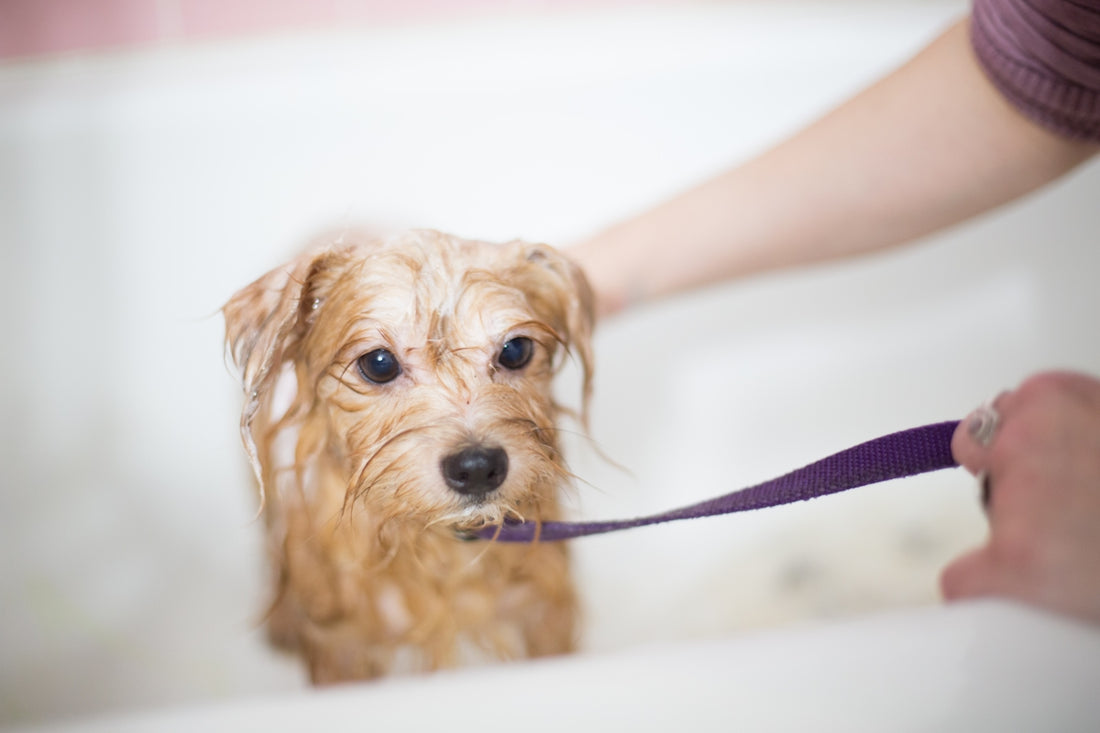
Pet grooming can be a daunting task, especially with sensitive pets. The sounds and sensations of grooming tools often contribute to heightened pet anxiety. Caring for our furry companions involves understanding their feelings and providing environments that reduce stress. This guide offers a solution with techniques focused on calm grooming and using low noise dog clippers. Your pet’s comfort and well-being are our top priority, and with our step-by-step guide, you’ll learn effective ways to ensure quiet dog grooming for your sensitive pets.
Table of Contents
- Table of Contents
- Quick Answer
- Understanding Pet Anxiety
- Tools for Calm Grooming
- Comparison Table: Traditional vs. Low Noise Grooming Tools
- Step-by-Step Guide for Quiet Grooming
- 5 Common Mistakes in Pet Grooming
- Frequently Asked Questions
- Conclusion
- FAQs
Quick Answer
Grooming sensitive pets can be stress-free with the right tools and techniques. Use low noise dog clippers to minimize anxiety and introduce calm grooming practices. Aim for a comfortable environment and gentle handling to put your pet at ease.
Understanding Pet Anxiety
Pet anxiety manifests in various behaviors like trembling, panting, and hiding. Dogs, in particular, may show signs of stress during grooming sessions. Knowing these signs can help in making informed decisions to alleviate stress and improve your pet's grooming experience.
Expert Tip: Always keep an eye on changes in your pet's behavior. Early detection of anxiety signs is key. Explore our Calm Pets & Better Behavior collection for additional calming solutions.
Tools for Calm Grooming
Choosing the right grooming tools is essential for a quiet grooming experience. The Petmartopia 3-in-1 Pet Grooming Vacuum Kit combines clipping, drying, and deshedding in one low noise solution. This minimizes stress for your pet, allowing a seamless grooming session.
Comparison Table: Traditional vs. Low Noise Grooming Tools
| Feature | Traditional Tools | Low Noise Tools |
|---|---|---|
| Noise Level | High | Low |
| Anxious Pet Suitability | Low | High |
| Versatility | Moderate | High |
Step-by-Step Guide for Quiet Grooming
Follow these steps to make grooming less stressful:
- Choose the Right Tools: Opt for silent tools like the 3-in-1 Pet Grooming Vacuum Kit.
- Create a Calm Environment: Use a quiet room, away from disruption.
- Introduce Grooming Tools Gradually: Let your pet sniff and interact with the clippers while they are off.
- Use Gentle Restraint Techniques: Use soothing words and soft touch.
- Reward Positive Behavior: Keep treats handy and reward your pet during and after grooming.
Expert Tip: Familiarize your pet with grooming tools outside of grooming times to help reduce fear.
5 Common Mistakes in Pet Grooming
Avoid these pitfalls to ensure a calm grooming session:
- Ignoring Stress Signs: Always be attentive to physical cues of stress.
- Rushing the Process: Take your time to avoid overwhelming your pet.
- Using High Noise Tools: Opt for quieter alternatives to conventional clippers.
- Skipping Regular Grooming: Consistent grooming builds familiarity.
- Incorrect Tools Usage: Know how to properly use grooming tools.
Frequently Asked Questions
1. What tools are best for anxious pets?
Low noise clippers like the 3-in-1 Pet Grooming Vacuum Kit are ideal.
2. How can I make my pet more comfortable during grooming?
Create a consistent routine using gentle tools and provide positive reinforcement.
3. Why is my dog anxious during grooming?
Pets may react to unfamiliar sounds or sensations. Quiet tools and comfort can help alleviate this.
4. What should I do if my pet hates grooming?
Start with short sessions, reward often, and make the environment comfortable.
5. How often should I groom my sensitive pet?
Regular grooming, every 4-6 weeks, helps reduce anxiety over time.
6. Are low noise grooming tools really effective?
Yes, they significantly reduce stress by minimizing startling noises.
Conclusion
Quiet grooming practices help manage pet anxiety, ensuring a more pleasant experience for both pets and their owners. Embracing tools like low noise clippers and creating a calm environment are key steps. For more detailed insights, explore our Calm Grooming Solutions collection and enrich your pet care knowledge by visiting the Quiet Grooming Techniques article.
Providing expert solutions for your pet-care needs, Petmartopia is here to assist every step of the way. Visit Petmartopia to discover more products designed for pet comfort and well-being.
External References:
- American Kennel Club (AKC)
- American Society for the Prevention of Cruelty to Animals (ASPCA)
- Veterinary Information Network
FAQs
What is quiet grooming, and how can it help sensitive pets?
Quiet grooming refers to grooming techniques and equipment designed to minimize noise and stress for pets, especially those who experience anxiety during the grooming process. It can create a calmer environment and make grooming more pleasant for sensitive pets.
How can I tell if my pet is anxious during grooming?
Signs of anxiety in pets during grooming may include excessive panting, growling, hiding, trembling, or attempts to escape. Additionally, a pet may become unusually still or overly reactive when touched or handled.
What tools are best for quiet grooming?
Opt for low-noise clippers, soft-bristle brushes, and gentle combs that are designed to reduce sound and discomfort. Tools specifically labeled for sensitive pets often have padded handles for better grip and ease of use.
Are there any calming products I can use before grooming?
Yes, there are various calming products available, such as pheromone diffusers, natural calming sprays, and anxiety wraps that can help soothe your pet before the grooming session begins.
How should I prepare my pet for grooming?
Start by introducing grooming tools to your pet gradually in a calm environment. Allow your pet to sniff and explore the tools while giving treats and praise to create a positive association before the actual grooming begins.
Can I groom my pet at home to avoid stress from grooming salons?
Absolutely! Home grooming can be a great way to minimize stress. Focus on creating a quiet, comfortable space and take your time. Begin with short sessions to help your pet acclimate to the process.
What if my pet still shows signs of anxiety despite using quiet grooming techniques?
If your pet continues to show signs of anxiety, consider consulting a veterinarian or a professional pet behaviorist for personalized advice. They may suggest alternative methods or behavioral training tailored to your pet's specific needs.
How often should I groom my sensitive pet?
The frequency of grooming depends on your pet's breed and coat type. Generally, long-haired breeds may need grooming every few weeks, while short-haired breeds may require less frequent grooming. Pay attention to your pet's individual comfort and hygiene needs.
What should I do if my pet resists grooming altogether?
If your pet resists grooming, try to break the process into smaller steps, such as introducing grooming for a few minutes each day. If resistance continues, consider seeking help from a professional groomer experienced in handling anxious pets.