
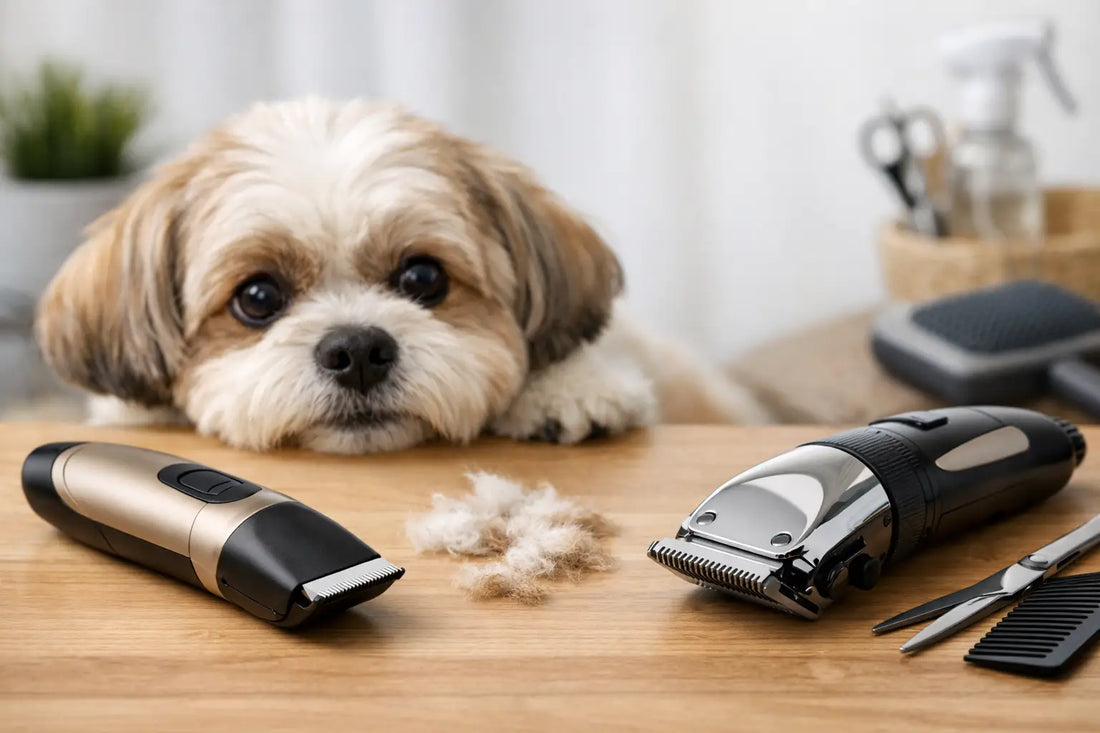
The difference between a calm trim and a wrestling match often comes down to sound. When pet parents compare a low noise pet trimmer vs regular clippers, they are usually not just asking about decibels. They are asking which tool helps their dog or cat stay relaxed, which one gets through the coat without fuss, and which one makes at-home grooming feel manageable instead of stressful.
For many pets, especially rescues, seniors, kittens, and noise-sensitive dogs, the buzz of grooming tools matters more than people expect. But quieter is not automatically better in every case. Coat type, grooming frequency, matting, and your pet’s tolerance all play a role.
Low noise pet trimmer vs regular clippers: what’s the real difference?
At a glance, these tools can look similar. Both use moving blades to cut fur, and both are designed to make home grooming easier. The real difference is in how they are built and what kind of job they are meant to do.
A low noise pet trimmer is usually designed for comfort and control. The motor runs more quietly and often with less vibration, which can make the experience feel gentler for nervous pets. Many of these trimmers are also smaller, lighter, and easier to maneuver around sensitive areas like paws, ears, and the face.
Regular clippers tend to be more powerful. They are often the better option for full-body grooming, dense coats, and dogs that need more than a quick cleanup. That extra power can come with more sound, more vibration, and a bulkier feel in the hand.
So the short version is simple. Low noise trimmers prioritize a calmer experience. Regular clippers prioritize cutting strength and speed. The right choice depends on what your pet needs most.
Why noise matters more than most pet parents think
Humans can usually tune out a low mechanical hum. Pets do not experience sound the same way. Dogs and cats hear a wider range of frequencies, and that means the whir of a motor can feel sharper, louder, and more unsettling than it seems to us.
That is why a pet who tolerates brushing may still panic when clippers come out. It is not always the sensation of fur being cut. Sometimes it is the combination of unfamiliar sound, hand vibration, restraint, and anticipation all at once.
Low noise trimmers can reduce one major trigger. For pets who already dislike grooming, that can be enough to change the whole session. A quieter tool may help them stay still longer, resist less, and recover faster afterward. That matters for safety too. A calm pet is easier to groom carefully.
This is especially helpful in modern homes where grooming often happens in smaller spaces like bathrooms, laundry rooms, or apartments with hard surfaces that can echo sound. A loud tool can feel even more intense in that kind of setting.
When a low noise pet trimmer is the better choice
If your pet is jumpy, young, elderly, or new to grooming, a low noise trimmer often makes the best starting point. It can help build tolerance without turning every session into a battle.
These trimmers are especially useful for maintenance grooming. Think sanitary trims, paw pad cleanup, light touch-ups around the eyes, or keeping a face neat between full grooms. For cats, a quieter tool can be a much better fit if you only need minor trimming and want to avoid adding stress.
They are also a smart choice for pet parents who groom more often in short sessions. Instead of trying to do everything at once, you can trim a little at a time. That approach is usually easier on nervous pets and easier on you.
Another benefit is control. Smaller, lower-vibration trimmers can feel more precise in delicate zones. If your main goal is safe upkeep rather than heavy-duty coat removal, that precision can matter more than raw power.
When regular clippers make more sense
There are times when regular clippers are simply the better tool. If your dog has a thick double coat, dense curls, or heavy matting, a quiet trimmer may struggle. You may end up making repeated passes, pulling at the coat, or overheating the blade because the motor is working too hard.
That is where regular clippers shine. They are built for more demanding grooming jobs and can usually move through larger areas faster. For breeds that need routine full-body clipping, stronger clippers can save time and create a more even finish.
This is one of those it-depends situations. A louder tool is not automatically harsher if it gets the job done cleanly in fewer passes. For some coats, using an underpowered trimmer can actually create more discomfort because the process drags on.
If your pet is reasonably tolerant of grooming and you need performance over finesse, regular clippers are often the practical choice.
Coat type changes the answer
The low noise pet trimmer vs regular clippers decision gets much clearer when you look at coat type.
Fine or short coats usually do well with a quieter trimmer for touch-ups and light maintenance. Single-coated dogs with less bulk can often be managed without a heavy-duty tool unless you are doing full grooming frequently.
Curly, woolly, or continuously growing coats usually demand more cutting power. Poodles, doodles, and similar mixes often need clippers that can handle dense texture without snagging. A low noise trimmer can still be useful for detail work, but it may not be enough for the whole groom.
Cats are their own category. Many cats will not tolerate long grooming sessions at all, so quieter tools can help. Still, cat grooming requires caution, especially around thin skin and hidden mats. If the coat is severely tangled, a professional groomer is often the safer route.
Don’t ignore vibration, heat, and blade quality
Noise gets the headline, but it is only one piece of comfort. Some pets react just as strongly to vibration in the handle or heat in the blade.
A trimmer that is quiet but gets hot quickly is not a great experience. The same goes for a tool that sounds soft but tugs because the blade is dull or poorly aligned. Good grooming tools should cut cleanly, stay comfortable in hand, and feel stable during use.
This is where build quality matters. Pet-safe grooming tools are not just about getting through fur. They should support a calmer routine, reduce accidental nicks, and hold up over time. For pet parents who care about safety and clean design at home, a well-made tool is worth more than a cheap one that adds stress every few weeks.
How to choose the right tool for your routine
Instead of asking which one is best overall, ask which one fits your pet and your grooming habits.
If you want to maintain a clean face, tidy paws, or trim sensitive areas between appointments, start with a low noise trimmer. It is often the easier tool to introduce and the better match for anxious pets.
If you regularly do full-body clips on a thick-coated dog, regular clippers are likely the better investment. They are built for workload, and that matters if grooming is part of your normal routine.
Some pet parents end up happiest with both. A regular clipper handles the main job, and a low noise trimmer takes care of detail work and quick touch-ups. That setup is practical if you groom often and want a smoother experience in hard-to-reach areas.
Whatever you choose, use the tool gradually. Let your pet hear it before it touches them. Reward calm behavior. Keep the first few sessions short. A better tool helps, but good introduction matters just as much.
The choice that usually works best at home
For many households, especially those grooming in shared living spaces and trying to keep pets comfortable, a low noise trimmer is the more approachable place to start. It supports calm handling, feels less intimidating, and makes routine maintenance easier to keep up with.
Regular clippers still have a clear place. They are the better fit when coat density, grooming frequency, or full-body trimming demands more power. But if your pet’s biggest barrier is fear, quieter often wins.
The best grooming tool is the one your pet can tolerate and you will actually use consistently. A calm, safe five-minute touch-up is often more valuable than a perfect groom that takes an hour of stress. If you build your routine around comfort first, the results usually follow.