
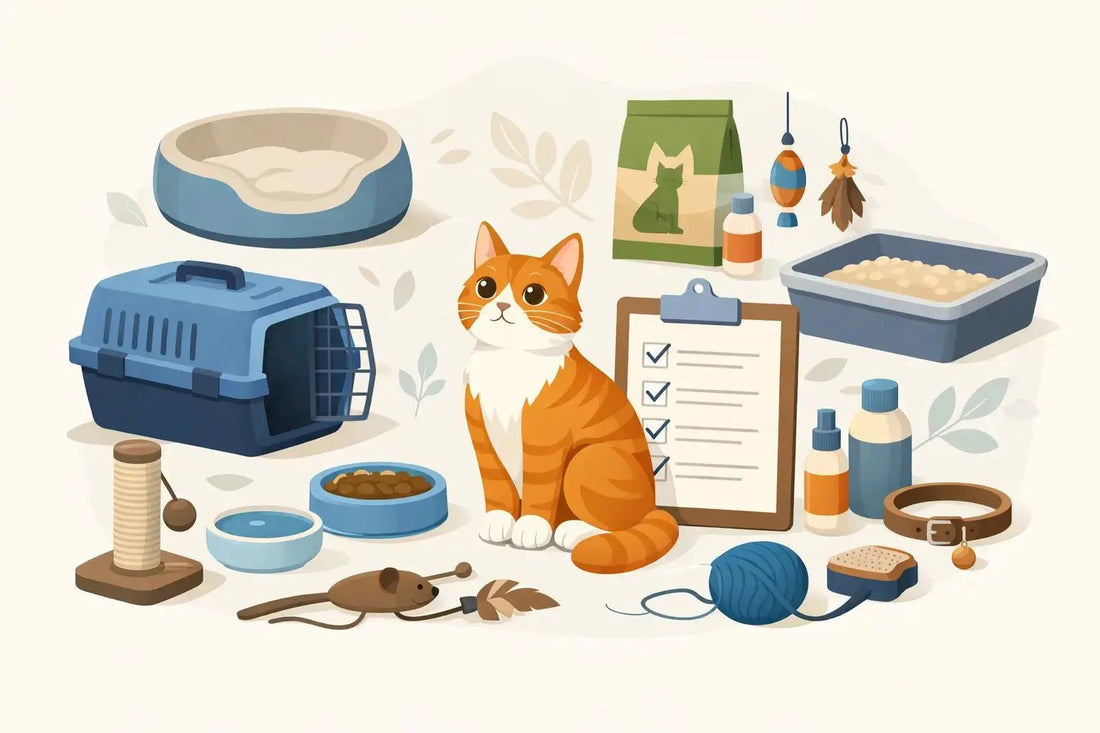
The first 24 hours with a new cat can feel oddly quiet. They may hide under the bed, ignore the expensive toy you bought on impulse, and use the litter box at 2 a.m. with dramatic enthusiasm. That is exactly why a solid new cat owner essentials checklist matters. The right setup does more than fill a shopping cart - it helps your cat feel secure faster and makes your home easier to keep clean, calm, and scratch-free.
A lot of first-time cat owners overbuy novelty items and miss the basics that shape daily life. Your cat does not need a mountain of accessories on day one. They need a safe place to rest, a clean bathroom setup, easy access to water, appropriate scratching options, and enough enrichment to stay curious without turning your sofa into a project.
New cat owner essentials checklist: start with the basics
If you are bringing home a kitten, an adult rescue, or a senior cat, the core categories stay mostly the same. What changes is size, mobility, and how quickly your cat adapts. Kittens need more supervision and gentler boundaries. Adult cats often need more patience as they settle in. Seniors may need easier access to litter boxes, softer bedding, and lower climbing options.
Start with feeding and hydration. You will need food and water bowls, but material and shape matter more than many people expect. Wide, shallow bowls are often better because they reduce whisker stress. Stainless steel or ceramic is usually easier to keep clean than plastic and tends to hold up better over time. A pet fountain can be worth it for cats that are picky drinkers, especially if you want to encourage better hydration without constantly refreshing a basic bowl.
Food is another place where simple is better at first. Stick with what your cat is already eating, if you know it, then transition slowly if you plan to switch. Sudden changes can cause digestive issues and make it harder to tell whether stress or diet is the problem. Keep a small treat supply too, not for spoiling, but for training, bonding, and making routine care less dramatic.
The litter setup deserves more thought than most new owners give it. You need at least one litter box per cat, and many behavior experts recommend one extra if you have room. In smaller homes, that is not always realistic, so placement becomes even more important. Choose a low-traffic, easy-to-access area with some privacy. Unscented litter is often the safer starting point because strong fragrances may bother both cats and humans. If convenience matters and you want less daily scooping, a well-designed self-cleaning litter box can be a smart upgrade, but some cats need time to adjust to automated movement and sound.
The home essentials that actually protect your space
Cats do not scratch furniture because they are spiteful. They scratch because it is normal, necessary behavior. A scratching post or pad is not optional. It is part of the basic setup, and having more than one is often the difference between a cat using it and ignoring it. Some cats prefer a tall vertical post they can fully stretch against. Others love horizontal cardboard scratchers. If you can, offer both and place them where scratching would naturally happen, such as near sleeping areas or close to the couch corner your cat has already noticed.
A bed is useful, but do not be surprised if your cat chooses the shipping box first. What matters is giving them a comfortable retreat that feels protected. Covered beds can work well for shy cats, while open cushioned beds suit cats who like to stay in the middle of household activity. Look for fabrics that are easy to spot-clean and colors or textures that blend into your home, because cat gear tends to stay visible whether you planned for that or not.
A carrier is another true essential, not a once-a-year afterthought. You will need it for vet visits, emergencies, and any move outside the home. A sturdy carrier with good ventilation and easy-access openings makes a huge difference when loading a nervous cat. Hard-sided carriers are easier to clean, while some soft-sided styles are lighter and easier to store. If your cat is large or especially anxious, durability should win over convenience.
You should also think about cleanup before you need it. Enzyme cleaner is one of the most practical items you can buy early. If your cat has an accident, standard household cleaner may remove the stain for you but leave odor markers your cat can still detect. That can lead to repeat accidents in the same spot.
Comfort, grooming, and day-to-day care
Cats are famously self-grooming, but that does not mean grooming tools are optional. A basic brush helps reduce shedding, cut down on hairballs, and make your cat more comfortable, especially if they have a medium or long coat. Short-haired cats still benefit from regular brushing, just less intensely. The trick is using a tool that removes loose fur without pulling or irritating the skin.
Nail care is another category many new owners avoid until the first accidental scratch lands on skin or upholstery. A simple pair of cat nail clippers is usually enough. You do not need to become a professional groomer overnight, but getting your cat used to paw handling early can save you a lot of stress later.
For health and hygiene, keep a few basics on hand: a lint roller, washable blanket or furniture cover, and a designated storage spot for food, litter, and grooming supplies. That may not sound exciting, but it makes daily upkeep much easier and keeps your home from feeling taken over by pet clutter.
Enrichment is part of the checklist, not an extra
A bored cat will create their own entertainment, and you may not like their choices. Play is not just for kittens. It helps indoor cats burn energy, practice natural behaviors, and stay mentally engaged. At minimum, have a few interactive toys ready, especially wand toys and small chase toys your cat can bat around independently.
This is one area where variety matters. Some cats want fast movement and a chase. Others prefer stalking from a hidden spot and pouncing when the moment feels right. Rotate toys instead of leaving everything out at once. That keeps interest higher and reduces clutter.
If your home allows it, vertical space is one of the best investments you can make. A cat tree or climbing tower gives your cat a place to perch, observe, stretch, and feel secure. For many indoor cats, height equals confidence. In smaller apartments, this can matter even more because it increases usable territory without taking up much floor space.
Window access also counts as enrichment. A perch near a window can keep a cat entertained for long stretches, especially if there are birds, trees, or street activity outside. Just make sure screens are secure. A good view should not become an escape plan.
What first-time owners often buy too soon
A smart new cat owner essentials checklist should save you from panic purchases too. You do not need every gadget immediately. Fancy feeders, high-tech toys, and premium add-ons can be great, but they are not always the right starting point.
The best early buys are the ones that solve real daily needs. If your cat is drinking poorly, a fountain makes sense. If litter maintenance is your biggest pain point, upgrading that setup may be worth it. If your cat is shy and spends most of the day under the sofa, focus first on security and quiet enrichment, not an overflowing toy basket.
It also helps to watch your cat before committing to one style of product. Some cats ignore plush beds and prefer cool, flat surfaces. Some never touch a tiny scratcher but love a full-height post. Some use a covered litter box happily, while others refuse it. There is no perfect universal setup, only a well-observed one.
How to build a checklist that fits your cat and your home
The most useful version of a new cat owner essentials checklist is not the longest one. It is the one that matches your space, your routine, and your cat’s temperament. In a studio apartment, odor control, vertical furniture, and compact storage matter more. In a larger home, you may need multiple rest zones and more than one scratching area. If you work long hours, independent enrichment and easy-clean setups become more valuable.
Design matters too, especially if you want pet gear that feels at home in your home. Modern cat essentials no longer have to look flimsy, loud, or out of place. When products are easy to clean, built to last, and designed to blend into your space, you are more likely to keep them where your cat actually needs them. That is better for both of you.
If you want a curated place to start, Petmartopia offers cat essentials that balance comfort, safety, and modern design without making your living room look like an afterthought.
Your cat will still have opinions. They may reject the bed, worship the cardboard insert, and sit directly beside the fountain instead of drinking from it for two days. That is normal. Start with the true essentials, adjust based on behavior, and remember that a calm setup often matters more than a perfect one.