
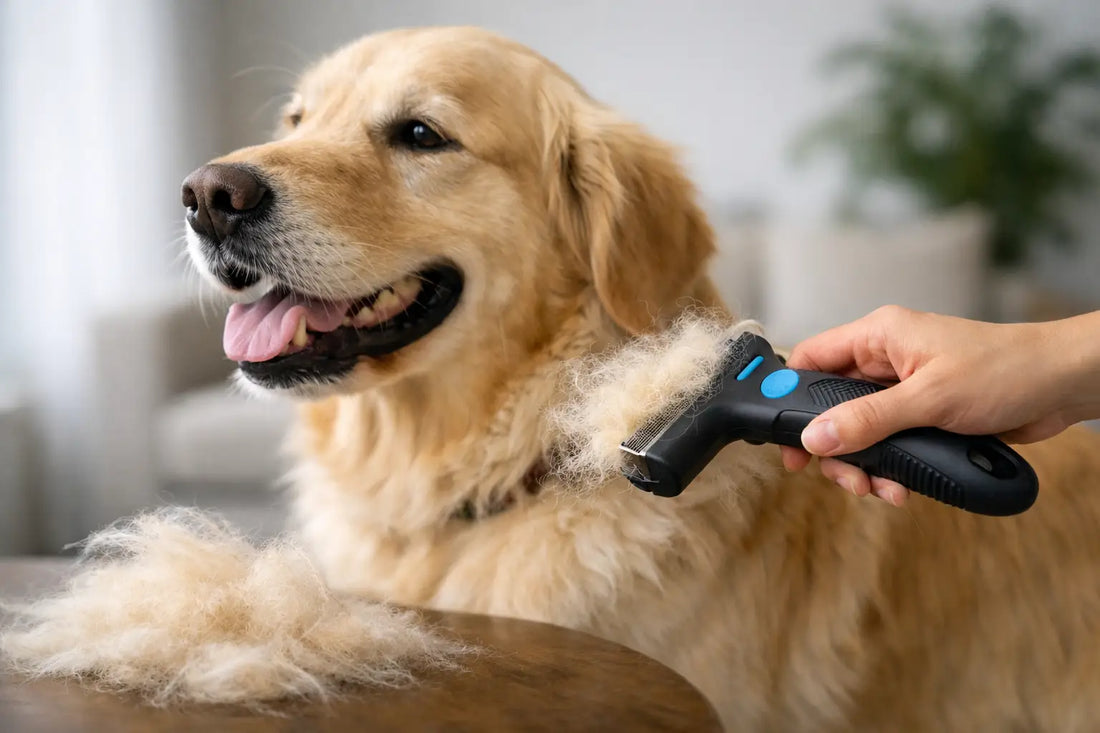
You usually know it’s time for a better grooming routine when fur starts collecting in the corners of your home faster than you can vacuum it. If you’ve been wondering how to use deshedding brush tools without irritating your pet’s skin or making a bigger mess, the good news is that the technique matters more than brute force.
A deshedding brush can make a real difference, but only when it matches your pet’s coat and is used with a light hand. Done well, it helps remove loose undercoat before it ends up on your sofa, your clothes, and every dark surface in sight. Done poorly, it can scratch the skin, pull healthy hair, and turn grooming into a battle.
What a deshedding brush actually does
A deshedding brush is designed to remove loose hair that is already shedding from the undercoat. That’s different from a standard slicker brush or pin brush, which usually focuses more on surface tangles, smoothing, or general maintenance. For double-coated dogs and many cats, a deshedding tool can reach beneath the topcoat where all that extra fluff tends to build up.
That said, not every pet needs one. Short-haired pets with minimal undercoat may do fine with a grooming glove or soft bristle brush. Some coats also need more caution than others. If your dog has a wiry, curly, or coat-specific grooming pattern, or your cat has very thin skin, a deshedding brush may need to be used less often or skipped in certain areas.
Before you use a deshedding brush
Start with a quick coat check. Look for mats, redness, scabs, bumps, or irritated patches. A deshedding brush should never be dragged over matted fur or compromised skin. If there are tangles, work those out first with the right comb or brush. If the skin looks inflamed, it’s better to pause and figure out the cause before grooming.
Your pet’s coat should be clean and fully dry in most cases. Brushing a dirty coat can create more friction, and wet fur tends to cling in ways that make deshedding less effective. For many dogs and cats, the best session comes after a bath and full dry, when loose hair is ready to release.
It also helps to set the mood. Choose a quiet spot with good lighting and a floor that’s easy to clean. Keep treats nearby. A few calm minutes is better than a long session that leaves your pet overstimulated.
How to use deshedding brush safely
The biggest mistake pet parents make is pressing too hard. A deshedding brush is not meant to scrape. It should glide lightly over the coat, lifting loose hair while leaving healthy coat and skin alone.
Start at the neck or shoulders and move in the direction of hair growth using short, gentle strokes. After every few passes, check the brush and remove the collected fur. This keeps the tool working efficiently and prevents you from going over the same area too aggressively.
Work section by section instead of brushing randomly. On a medium or long-coated dog, that may mean moving from shoulders to back, then sides, then chest and legs. On a cat, keep sessions especially gentle and brief, since many cats tolerate grooming in shorter windows.
Avoid sensitive zones unless your pet clearly handles them well. The belly, groin, tail base, armpits, and behind the ears can be delicate. These spots are more likely to have thin skin or hidden tangles. A softer brush or comb is often the better choice there.
How long should each session be?
Less than most people think. For many pets, 5 to 10 minutes is enough. Heavy seasonal shedders may need a bit longer, but more time does not always mean better results. If the skin starts looking pink, or your pet becomes fidgety, irritated, or tries to move away, stop there.
A good rule is to aim for gradual progress. You’re not trying to remove every loose hair in one sitting. You’re trying to stay ahead of buildup while keeping the experience comfortable.
How often should you use it?
That depends on coat type, season, and the tool itself. During spring and fall shedding seasons, some double-coated dogs benefit from deshedding once or twice a week. Cats and lighter shedders may need it only weekly or every other week.
More is not always better. Over-brushing can thin the coat, irritate the skin, and make the coat look uneven. If you notice increased sensitivity, dryness, or a dull appearance, scale back.
Coat type matters more than hype
Deshedding tools are often marketed like one-size-fits-all solutions, but coat type changes everything. Thick double coats tend to respond best because they naturally release undercoat. Think huskies, shepherds, golden retrievers, or dense-coated cats. These pets often produce the dramatic cloud of loose hair people expect.
Short-coated dogs can still shed a surprising amount, but their grooming needs may be different. Some do better with rubber grooming tools that lift loose fur without pulling. Fine-coated pets can be more prone to brush irritation, so a lighter touch is essential.
Curly or continuously growing coats are another case. Breeds like poodles or doodles usually need regular brushing to prevent matting, but a deshedding brush may not be the star of the routine. In those coats, detangling and maintenance often matter more than undercoat removal.
If you’re ever unsure, watch the coat and skin, not just the packaging. The right grooming tool should leave the coat looking smoother and cleaner, not patchy or stressed.
Common mistakes that cause irritation
The most common issue is repeated brushing over the same spot because hair keeps coming out. That can tempt you into thinking there’s always more to remove. In reality, many pets naturally keep releasing some loose fur, especially in peak shedding season. Chasing the last bit can lead to brush burn.
Another mistake is using a deshedding brush on mats. Mats need to be gently worked apart with the proper tool, and severe matting may need professional help. Pulling a deshedding tool through them is uncomfortable and can injure the skin underneath.
It’s also easy to mistake general shedding for a grooming problem when it may be seasonal, dietary, or health-related. If your pet suddenly sheds more than usual, has bald spots, flaky skin, or seems itchy, grooming alone may not solve it.
Making grooming easier for your pet
Technique matters, but so does trust. Let your pet sniff the tool before you begin. Start with a few strokes in an area they usually enjoy being touched, then reward them. Keep your body language relaxed and your pace steady.
For dogs, grooming after a walk can help because they’re more settled. For cats, timing often matters more than duration. Catch them when they’re naturally calm, not in the middle of playtime or right after a stressful moment.
If your pet has had a bad experience with grooming before, reset expectations. One successful minute today is better than forcing ten difficult ones. Over time, consistent low-stress sessions usually create better cooperation than trying to power through.
When a deshedding brush is not the right tool
Sometimes the right answer is to stop using it. If your pet has very sensitive skin, a very sparse coat, active skin issues, or significant matting, another grooming tool may be safer. Puppies, senior pets, and anxious rescues may also need a slower introduction or gentler alternative.
There’s also the reality that home grooming has limits. If your pet’s coat is compacted, heavily matted, or shedding in clumps, a professional groomer or veterinarian may be the better next step. Convenience matters, but comfort comes first.
For many homes, the best grooming setup is a mix of tools rather than one hero product. A deshedding brush can be excellent for undercoat maintenance, while a softer brush handles finishing and a comb checks problem spots. That approach tends to be more effective and more pet-friendly.
A well-designed grooming routine should do two things at once: keep your pet comfortable and make daily cleanup feel more manageable. When you use a deshedding brush with a light touch, realistic expectations, and the right coat in mind, it becomes less about fighting fur and more about creating a calmer, cleaner rhythm at home.